Going to Chile.
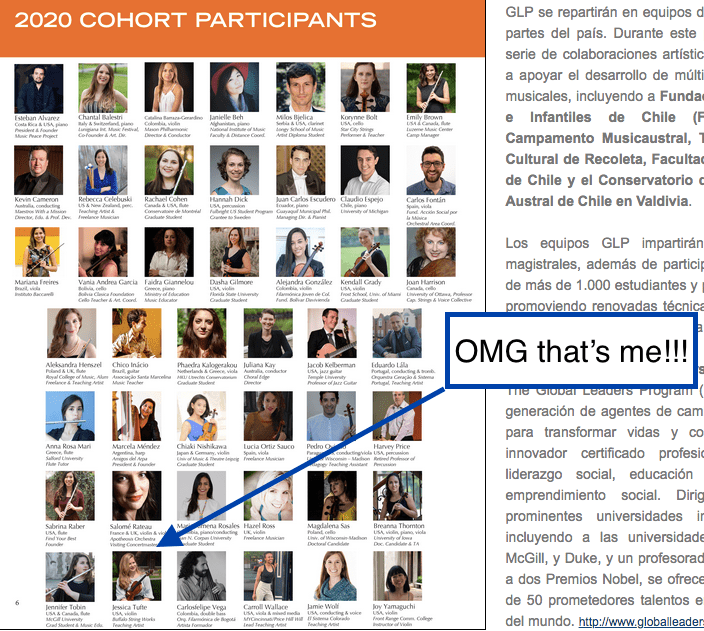
Guess what?! I am kicking off 2020 with a residency in Chile with colleagues from the Global Leaders Program.
“Wait…what? How did that happen?” you ask? Well, I’ll tell you…
As a life-long violinist who has performed with a number of groups and in a range of capacities, I have also consistently taught violin since 2008. Recently in 2016 upon my move home to Buffalo, I began to work with Buffalo String Works. Buffalo String Works is a non-profit organization that provides low cost music education on orchestral string instruments to refugee and immigrant students after school in Buffalo.
I IMMEDIATELY fell in love with this organization and all of the people in it – students, teaching artists, parents, and staff alike. Having previously worked for a refugee resettlement agency in Buffalo, the combination of working with this population in a musical capacity was perfect…I literally cannot imagine a more fulfilling thing to do with my time.
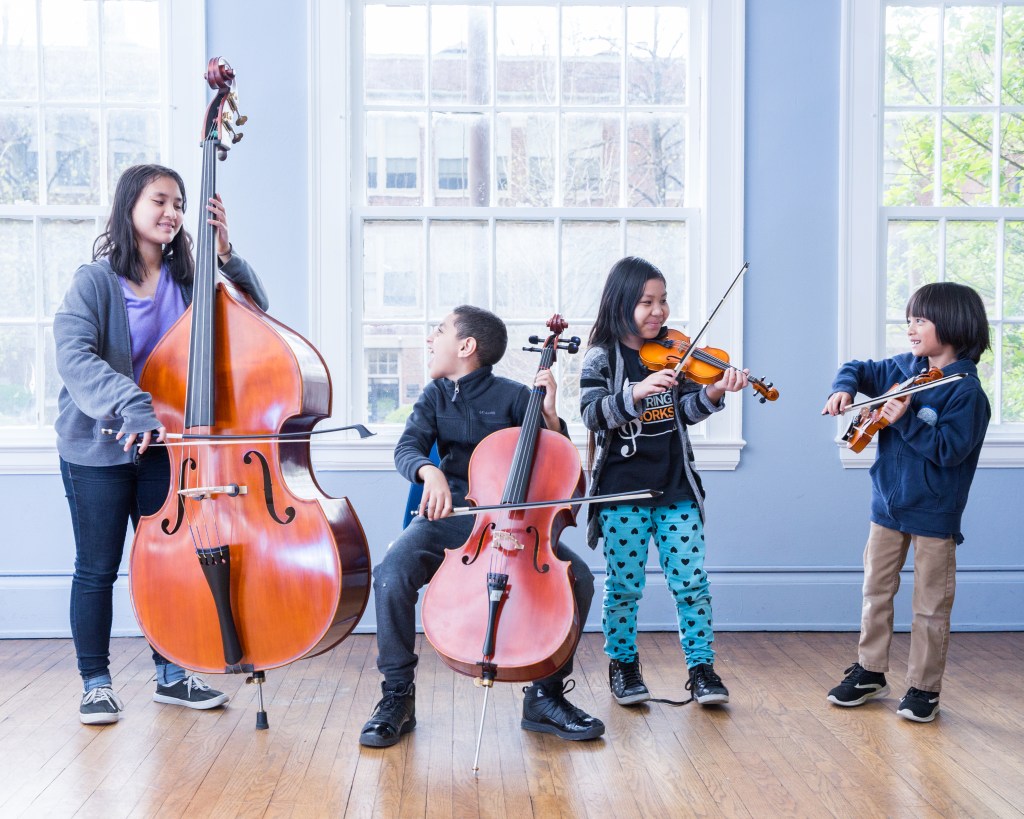
Buffalo String Works’ Associate Director sent a link out about the Global Leaders Program, which I had never heard of. Both Buffalo String Works and The Global Leaders Program are based on El Systema, which is a global phenomenon that has impacted over 700,000 impoverished children by giving them access to free music education for social change.
The El Systema movement’s founder, José Antonio Abreu, has said that “music has to be recognized as an agent of social development in the highest sense because it transmits the highest values — solidarity, harmony, mutual compassion,” crediting it with the ability to “unite an entire community and express sublime feelings.”
I didn’t initially think I was qualified for the program because I work full-time in human service evaluation, but then some “what if…” thoughts crept into my head and I applied and was accepted into the program, which started in August 2019.
The Global Leaders Program is an executive graduate certificate program that empowers change-makers and thought-leaders to change lives and communities through the transformative power of music. Read more about the program here. It basically teaches the skills and provides resources for teaching and/or performance musicians to run a social enterprise/business. From understanding peer-reviewed research about music education to building logic models and creating real-life business pitches, this program empowers those interested in bettering the world through music to actually do it.
This year’s residency was featured by the Chilean government through their Directorate of Cultural Affairs!
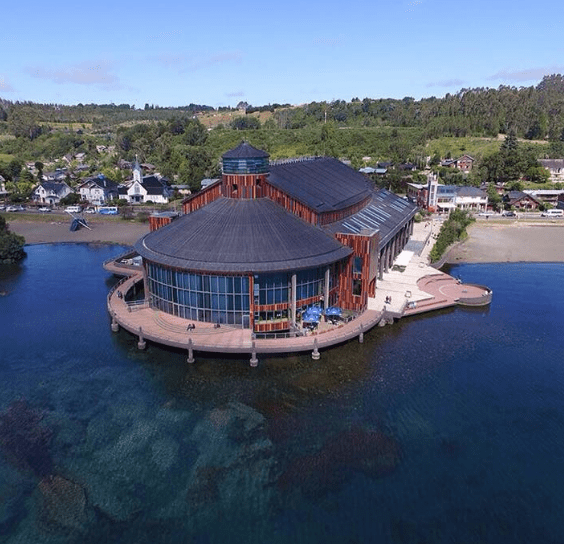
For the first week, we are participating in a Harvard University curated Cultural Agency and Social Entrepreneurship Module that includes seminars, workshops, and innovation labs. One group will have the opportunity to work with theater company Teatro Del Lago in Frutillar. 🇨🇱
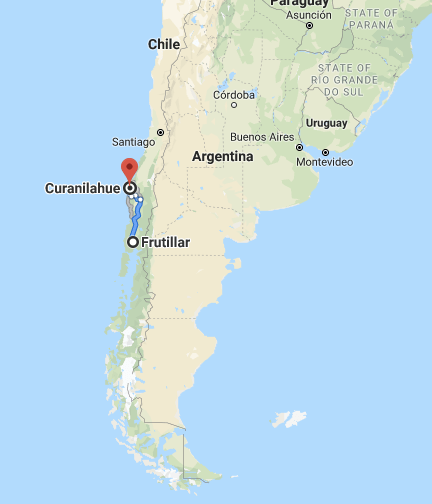
After the first week together, the cohort will split up across the country and will reach over 1,000 music students over the subsequent two weeks. In small teams, cohort-members get the opportunity to partner with local and national Chilean organizations that actively work to harness the power of the arts for social change and community development. I will be heading north from Frutillar to Curanilahue with my team to work with the students and teaching artists at Fundación Educacional Arauco as they prepare their youth orchestra for a culminating concert performance of Beethoven’s 5th Symphony on our final day!
I will try my best to take photos and keep this up-to-date while I’m on my trip. If you know me well at all, you know that I prioritize being present over documenting what’s happening, so I will try my best to strike a balance. I’m even bringing my point-and-shoot digital camera from 2010 for your photo-viewing pleasure. I’d love to hear from you, so comment below or shoot me an email anytime.
Follow My Blog
Get new content delivered directly to your inbox.
I made it! Unfortunately the internet doesn’t really seem to exist here where we’re staying so I may post what is going on a little later when I have a better connection.
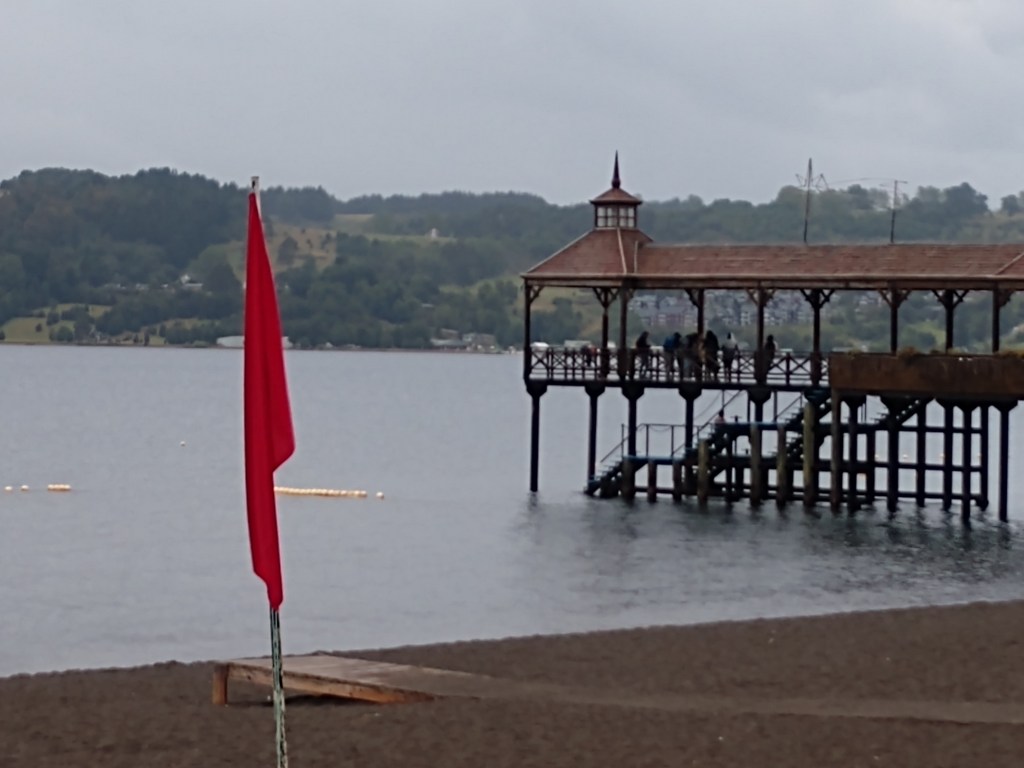
For now, here’s where I’m staying!
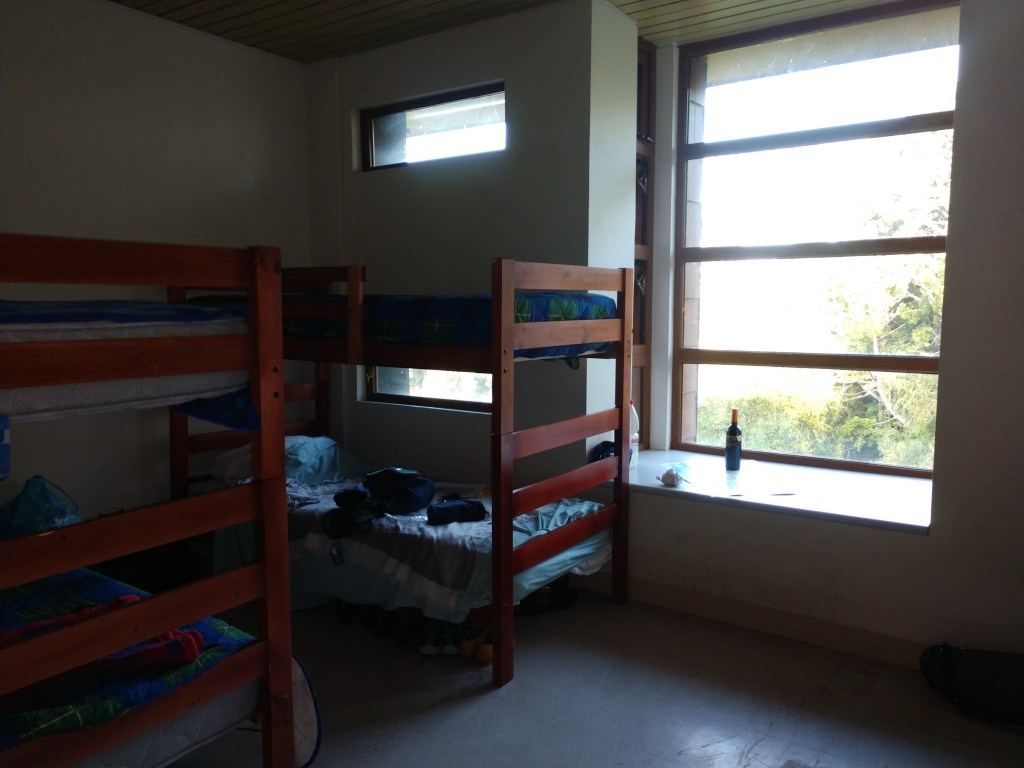
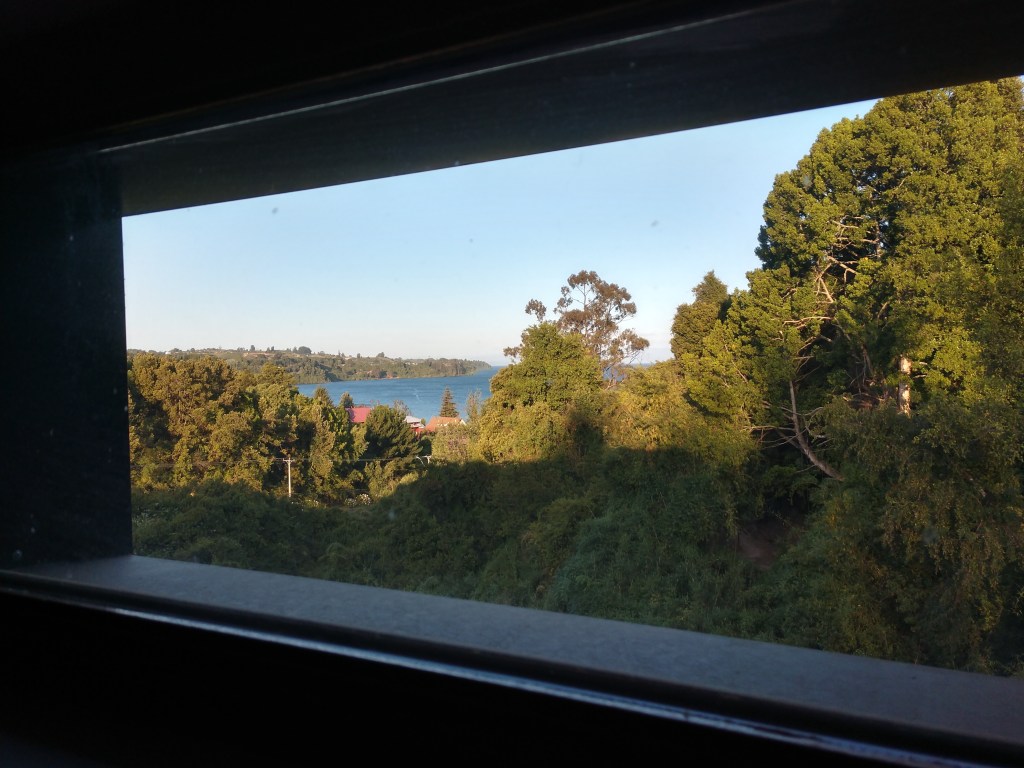
This is where we’re having lectures all week… beautiful new library up the street.
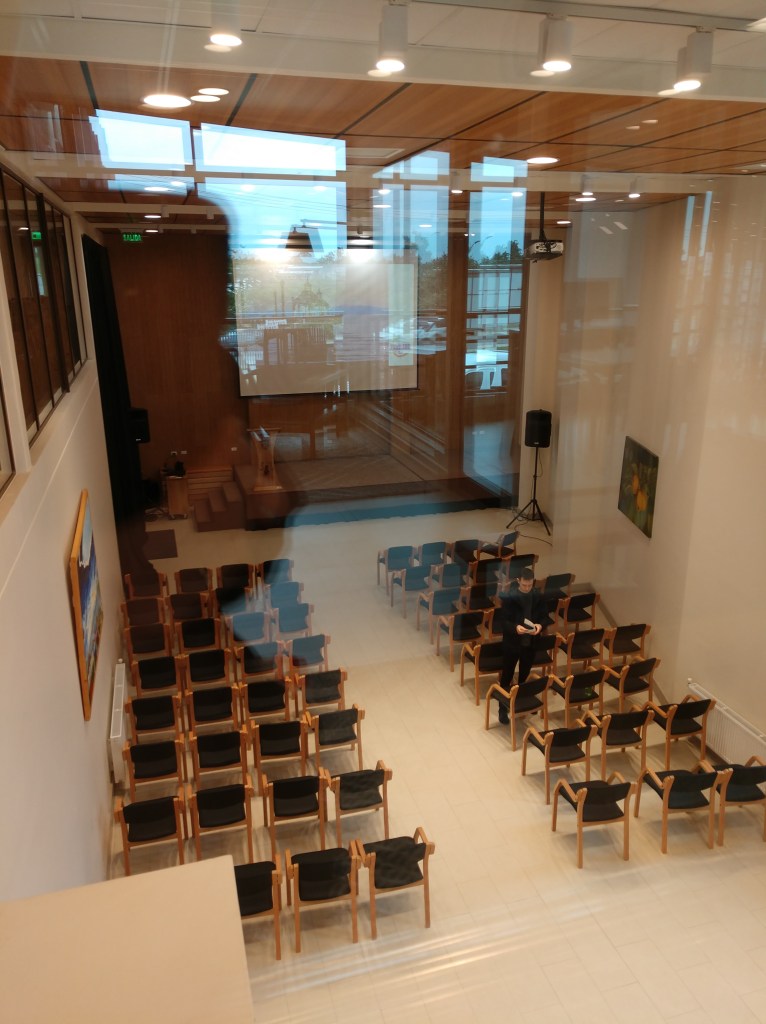
Hi everyone! So the beautiful new library here in Frutillar has a wifi connection. Admittedly a proponent of being present and disconnected, I can’t say that the lack of connectivity to the rest of the world particularly bothers me or has affected me. Though I do feel guilty that my family would probably like to hear from me more.
We have also been scheduled from morning to night back to back, which is exhausting but has also maximized the opportunity to get to know and discuss things with all of the brilliant people in this group. What a privilege to be among them!
For more information on what we’ve been doing check out the Global Leader’s Program Tumblr account here.
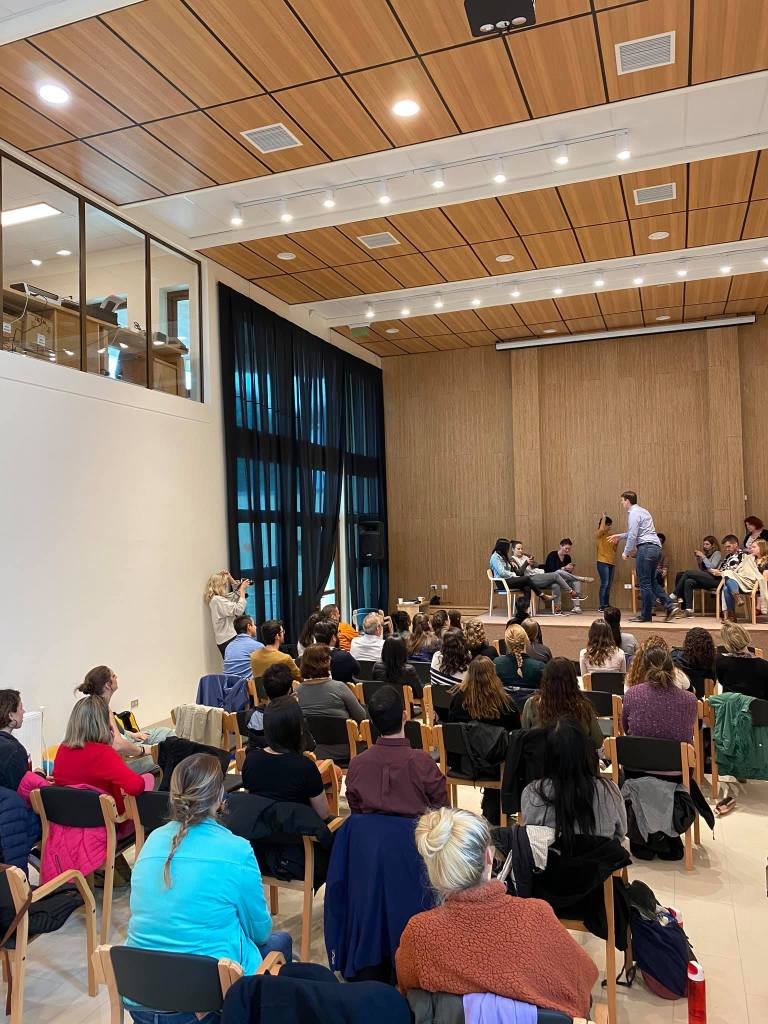
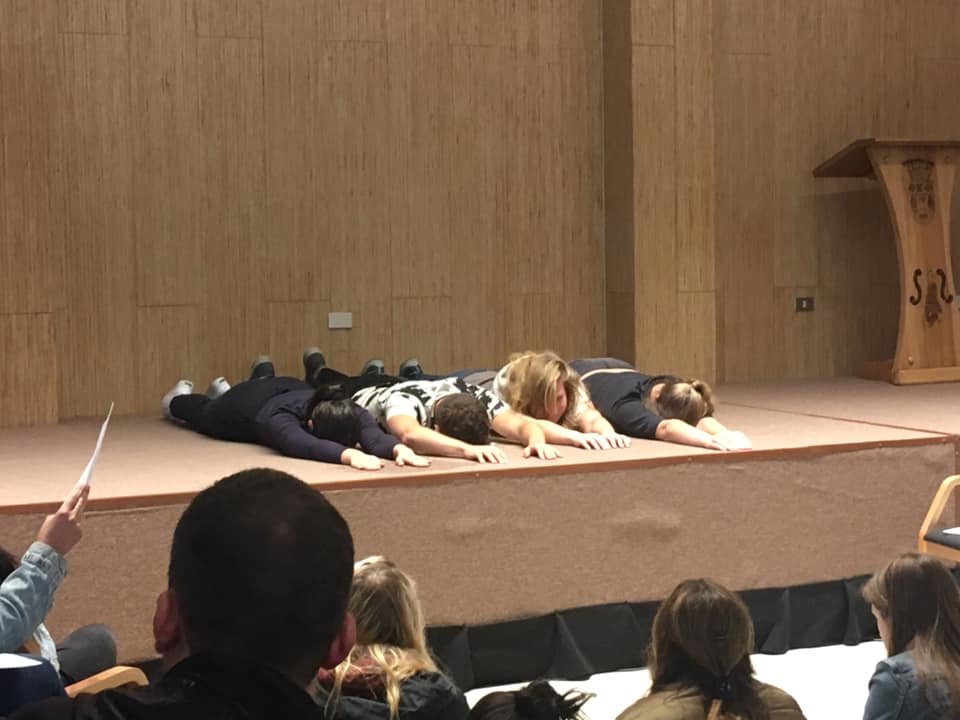
In the activity above, we all split into groups and quickly came up with plays that represent widespread problems. A common theme seemed to be the white noise that all of the voices in our head create about not having enough time to do things, self-doubt, anxiety, etc. Persistent positive thinking seemed to be the intervention of choice.
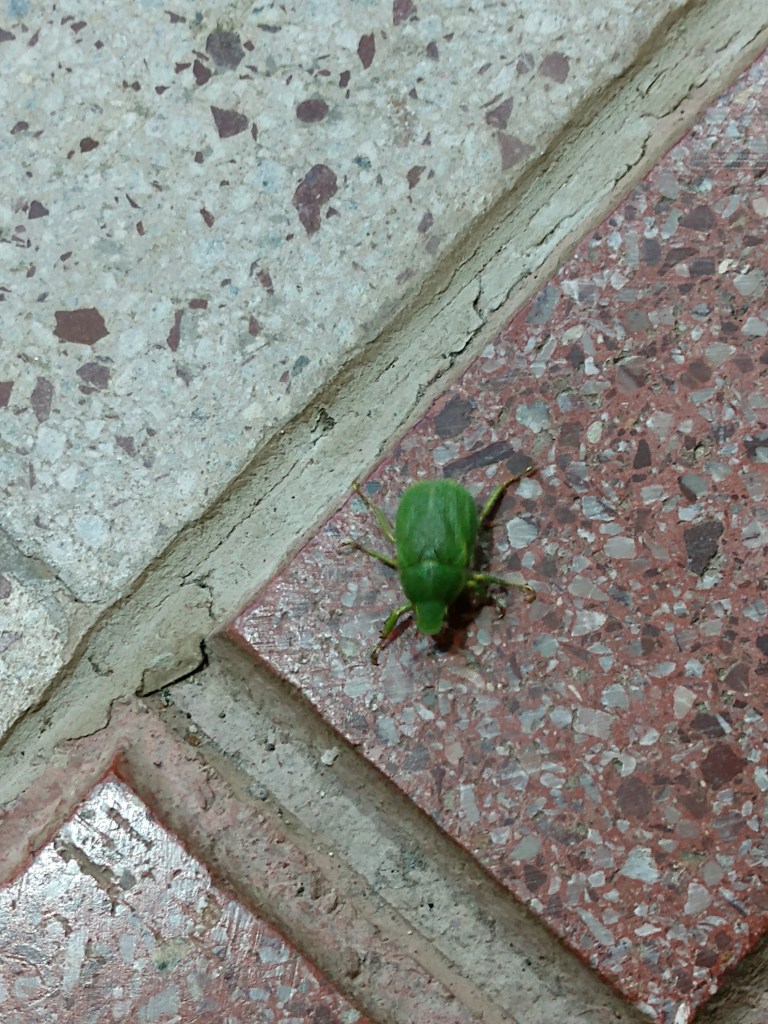
And for those of you that know me well, you know that I really enjoy bugs. This is a cool one I’ve seen around a bit that just seems like a bright green June Bug. I bet it’s poisonous if you eat it, so for my mother’s sake, I will not do that.
Click here to see my r/Whatsthisbug post!
I have to say that this week I was most surprised by myself rather than everyone around me. I expect professional musicians to have a bravado and comfort with performing anything in front of others. Admittedly, I had some minor anxieties, but I was surprised when others expressed concern about singing in front of the group. What I mean to say is that I expected everyone else to be impressive, and they absolutely were!
We all engaged in numerous activities that required us to put some kind of performance piece together and then quickly perform it in front of a group. Watch out Hollywood! Here I come!
Shock ensued (in my head) when I wrote my own song to match a line of Prometheus in front of everyone and sang it without issue. I have to say this was my most proud moment of the week!
To celebrate we’d go to the German pub in Frutillar Bajo. In addition to the slew of free Chilean wine (delicious), I decided to order an Old Fashion. It was my first old fashion with pineapple and rock candy!
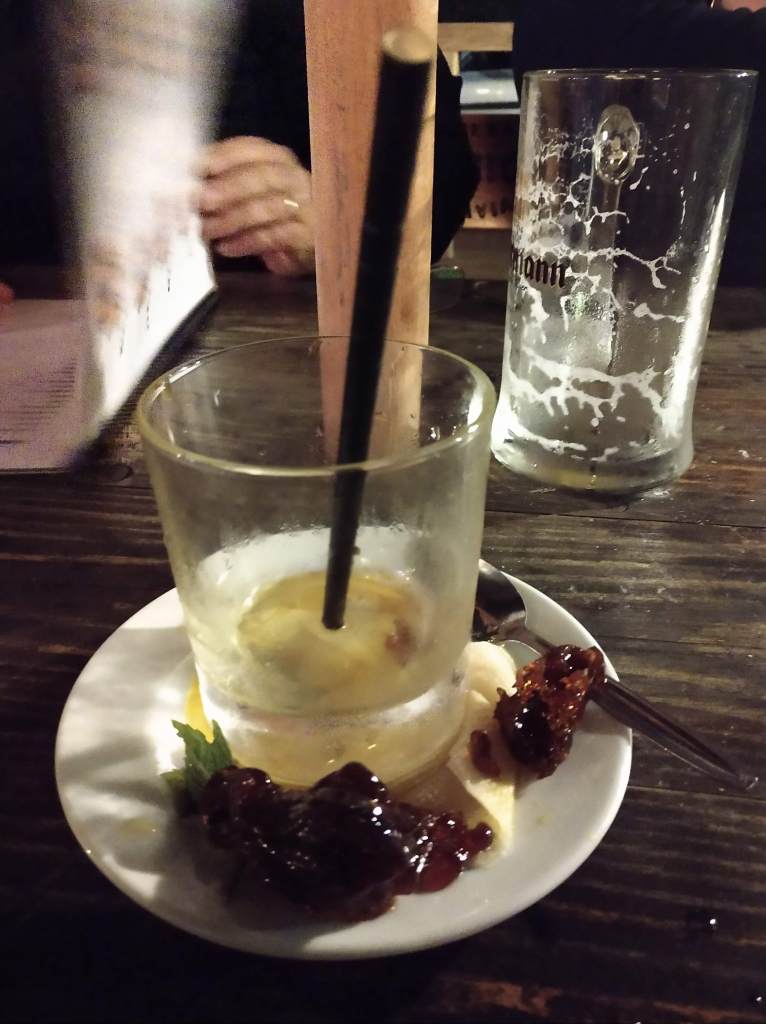
My new Australian friend; Kevin Cameron, a conductor who later went on to work with the Police Band of Chile outside of Santiago; was blessed to have sticky cash in his wallet for the rest of his tenure in Chile from all of the bills on the table that touched the rock candy. Cheers, mate!
About Frutillar (froot-ee-yar)
When we arrived in Frutillar from the highway, we rode through an impoverished town, and I didn’t think to even take a photo. Later, it was apparent that this was actually a part of Frutillar called “Frutillar Alto” (upper Frutillar). There is an adjacent area of this region called “Pantanosa” that is even more impoverished (photo below).
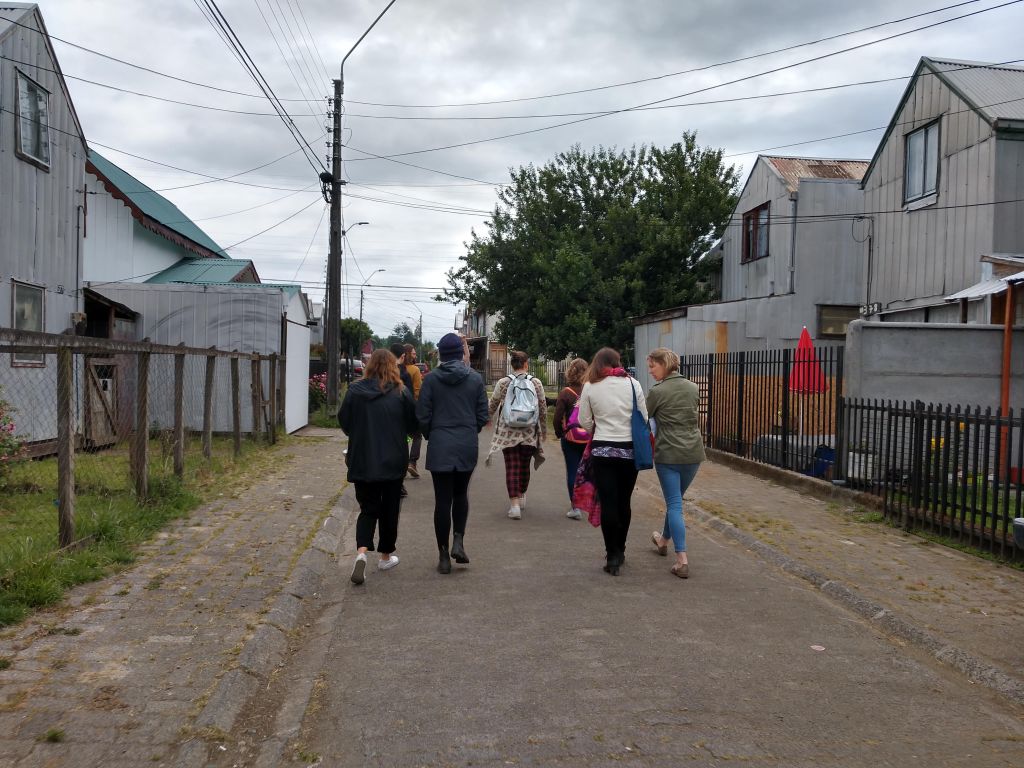
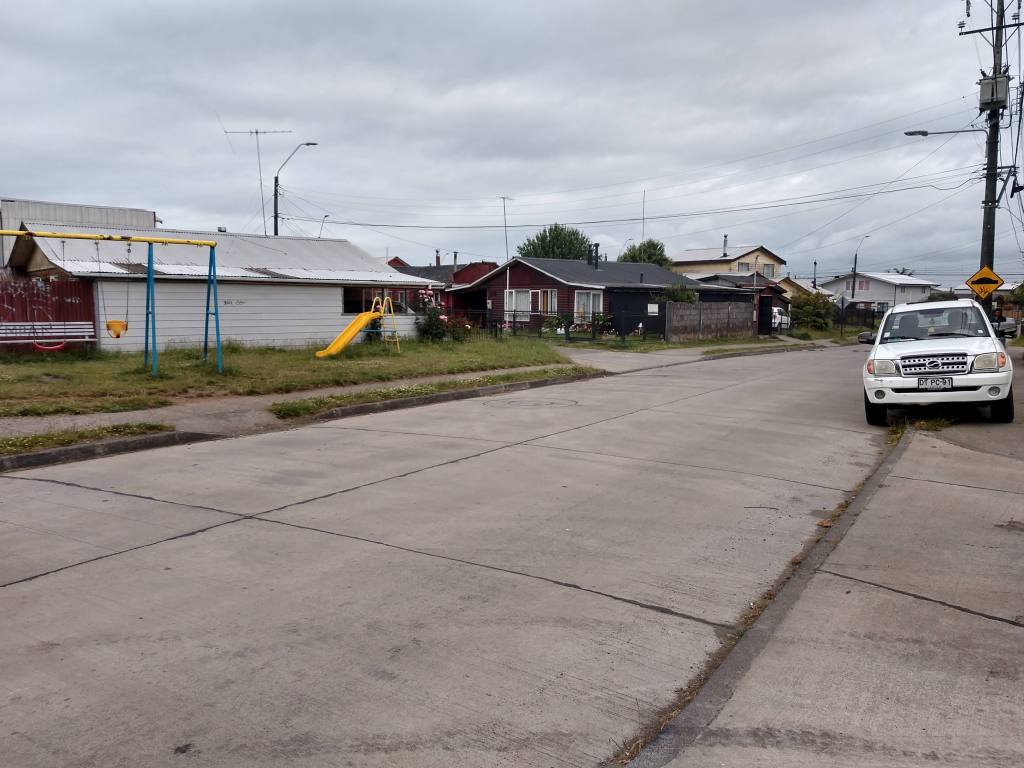
The library where all of our morning activities occurred is placed in between lower and upper Frutillar. On our walks to and from, the differences between the two different regions was palpable. For example, the school systems in Chile are both public and private. (Rich kids go to private, poorer kids go to public.) However, if a public school has lower scores, there is a three strike system where the school can be closed completely. That means the teachers lose their jobs and local children don’t actually have a place to attend to school. The next closest school might be 100km away. The Kopernikus School is a private school in Frutillar Bajo (lower area) that is for-profit and inaccessible to those living in Frutillar Alto and Pantanosa.
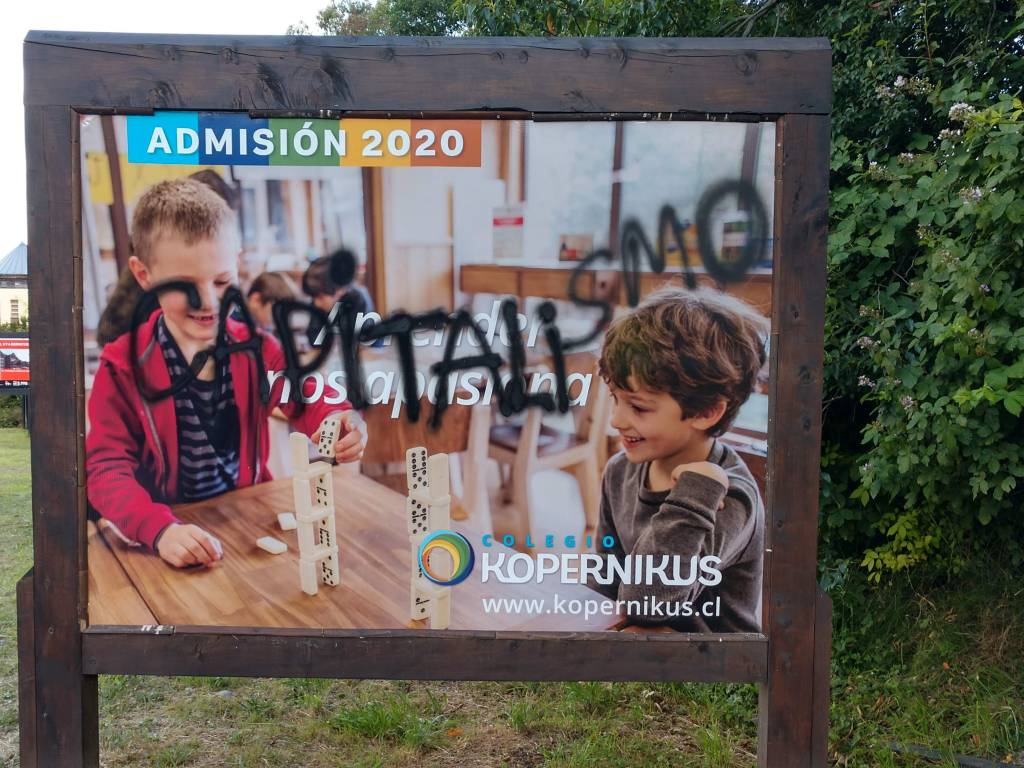
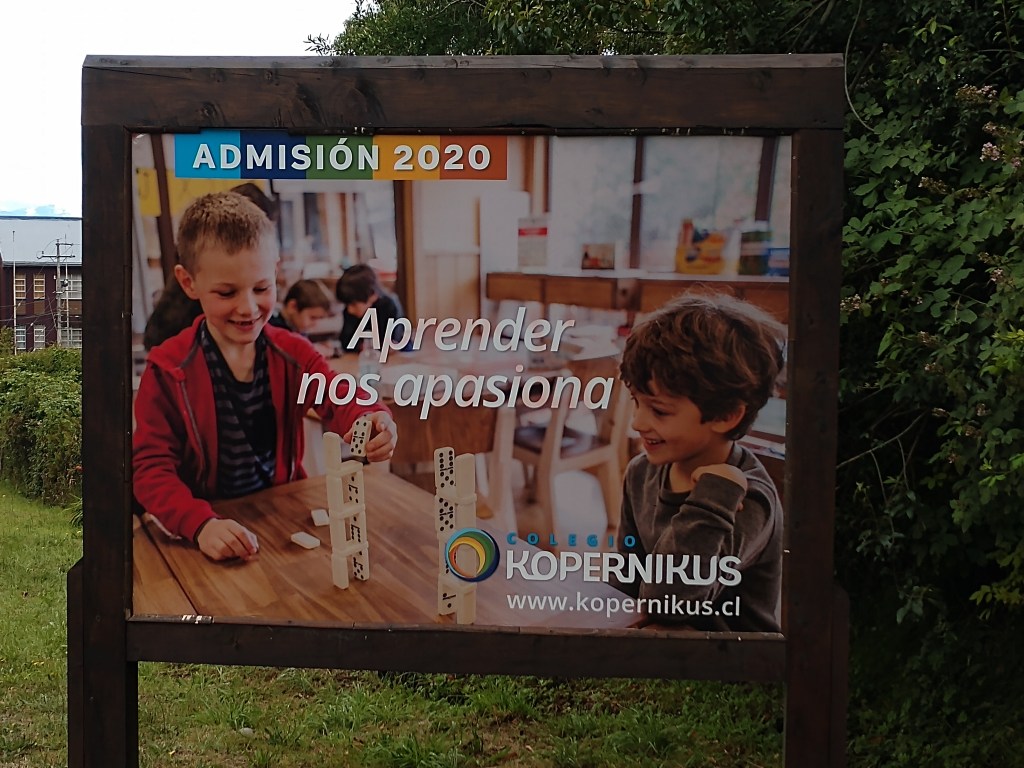
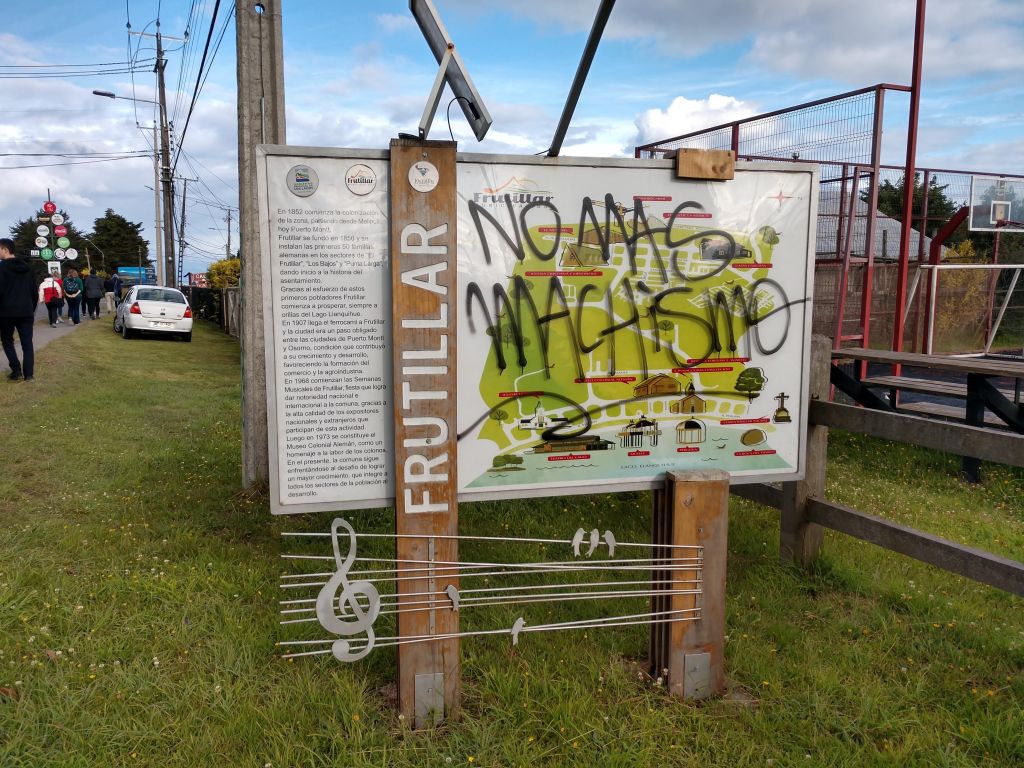
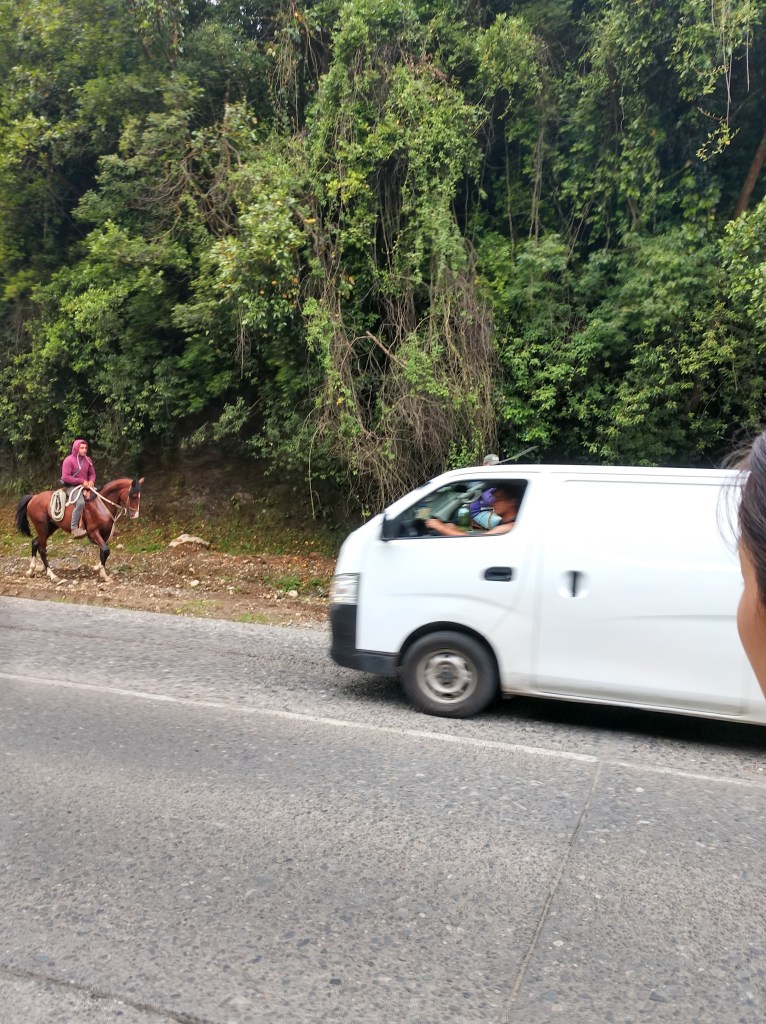
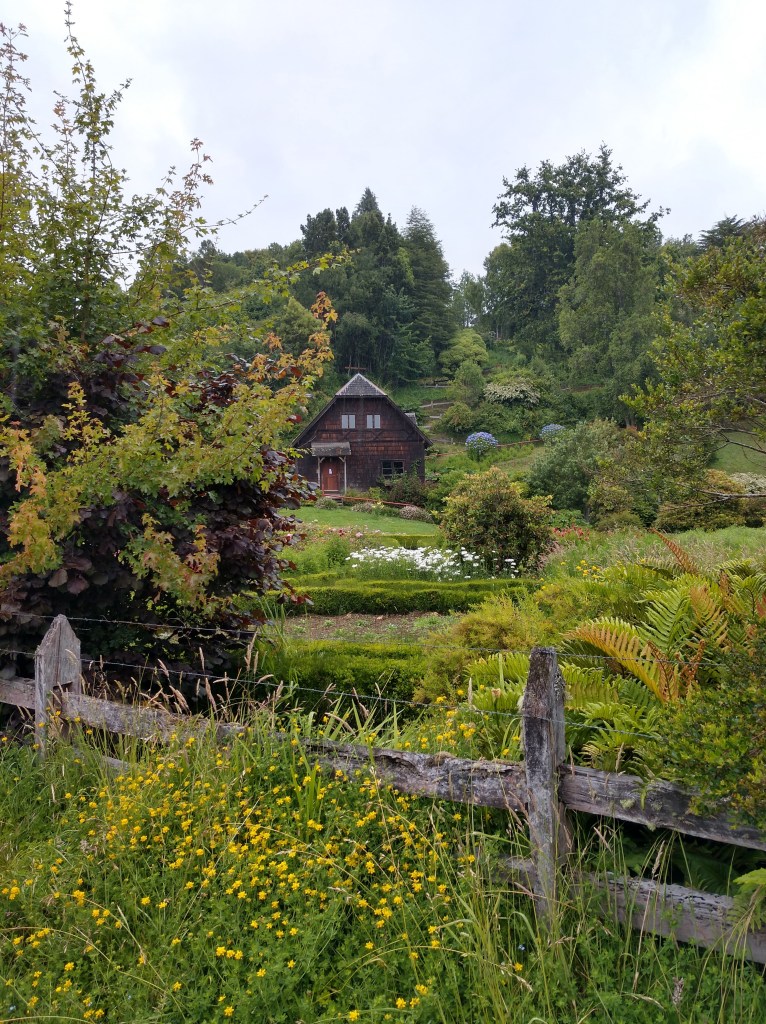
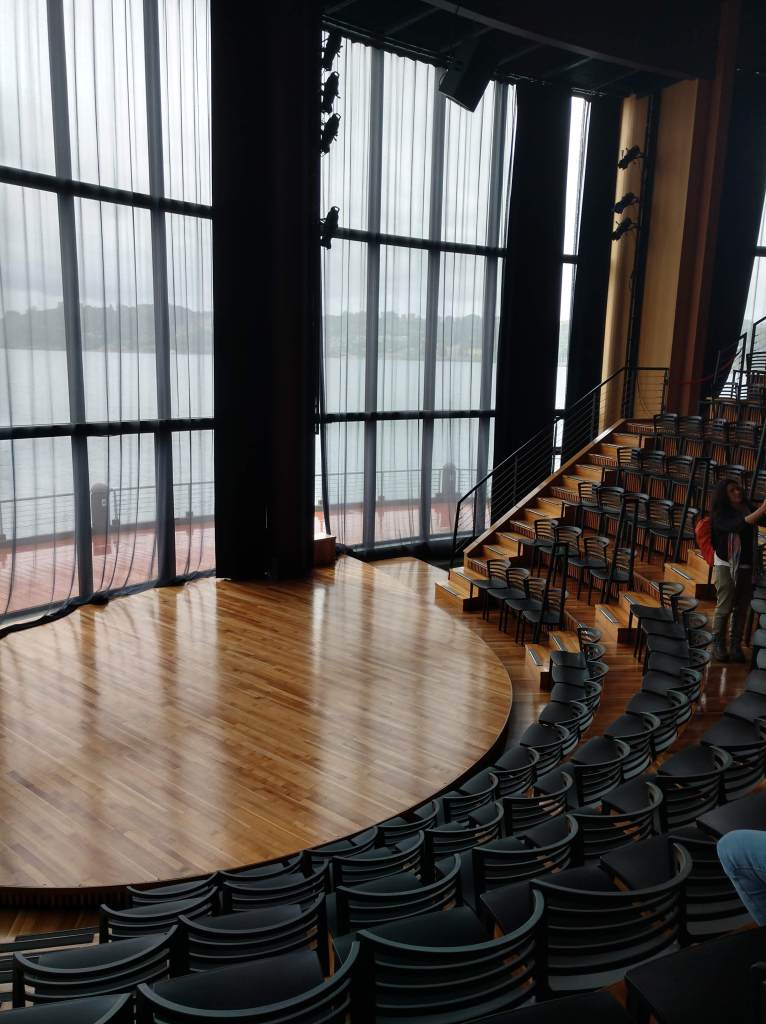
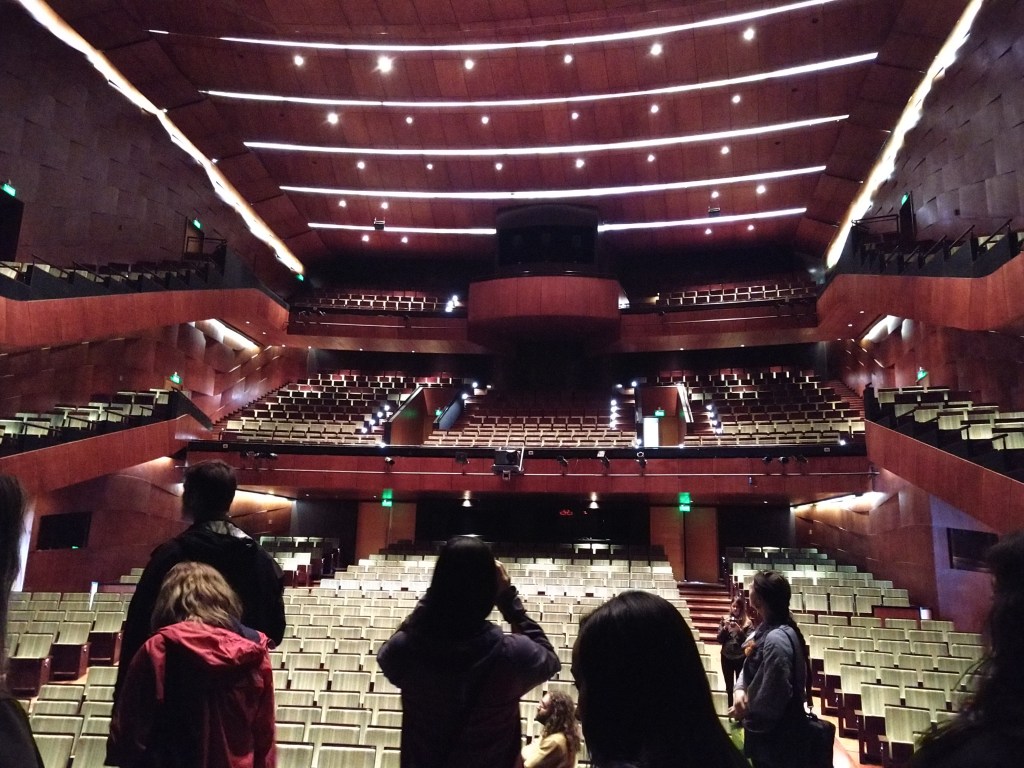
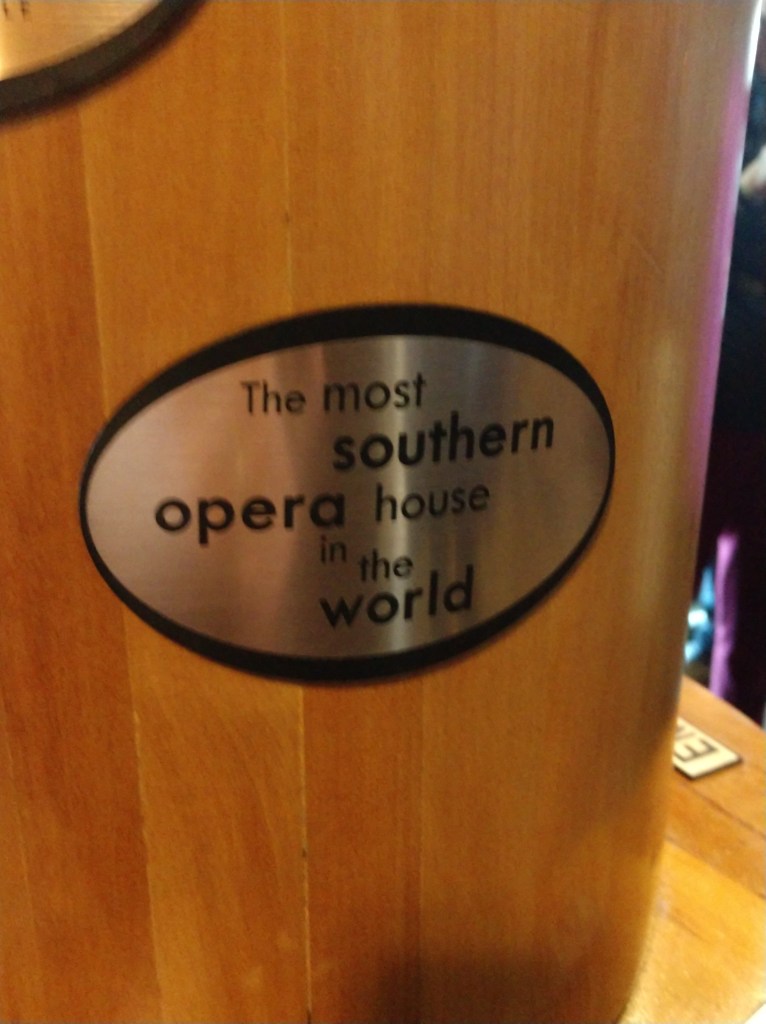
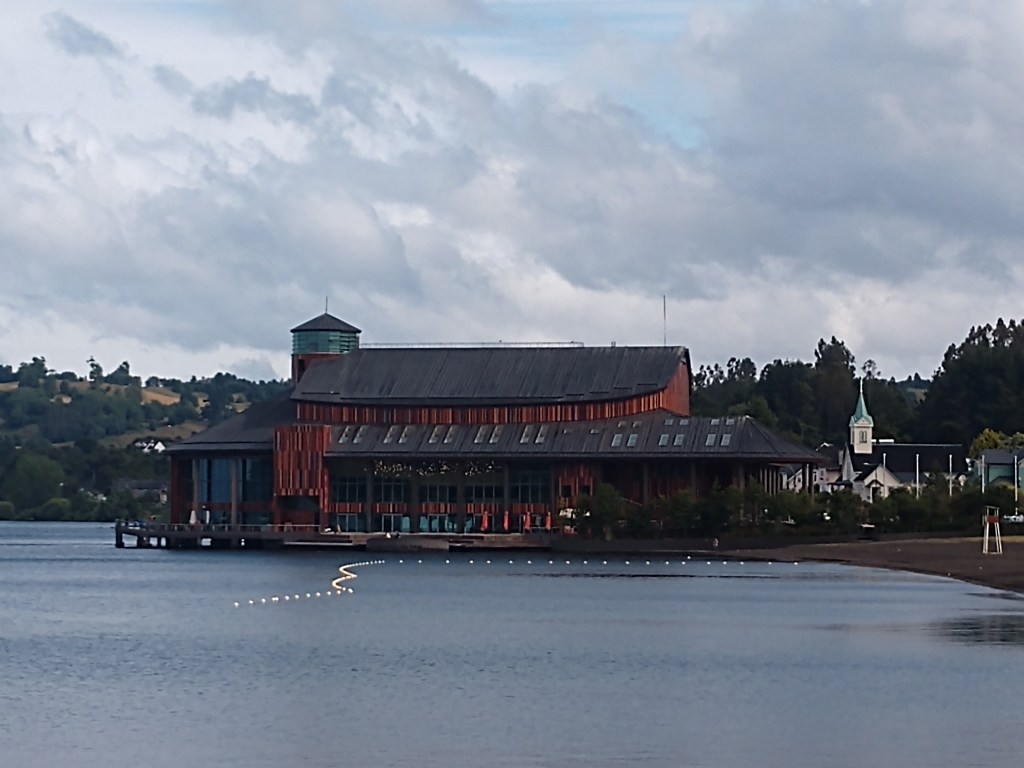
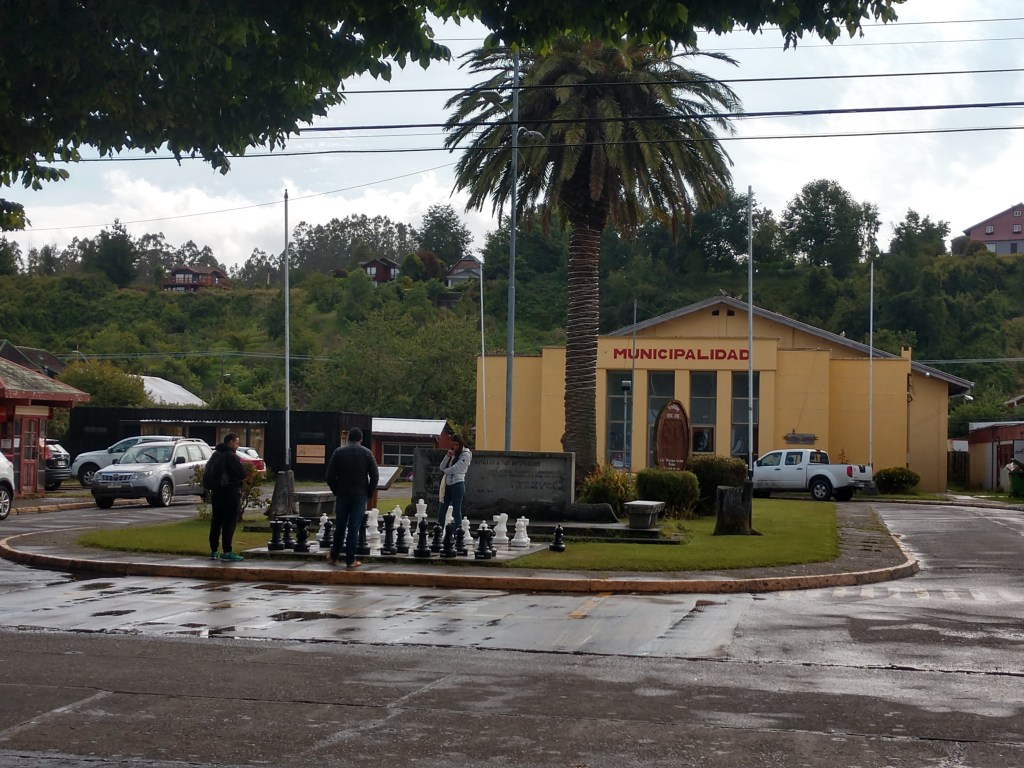
Once down to the bottom of the hill, Frutillar Bajo seems like a microcosm from Europe. German settlers originally settled the area at the lake, and you can see it in everything. This is the tourist area of the town where visitors from home and abroad come for summers and large concerts. It is clear that residents of upper Frutillar (Frutillar Alto and Pantanosa) have probably never gone to a concert at the Theatre del Lago.
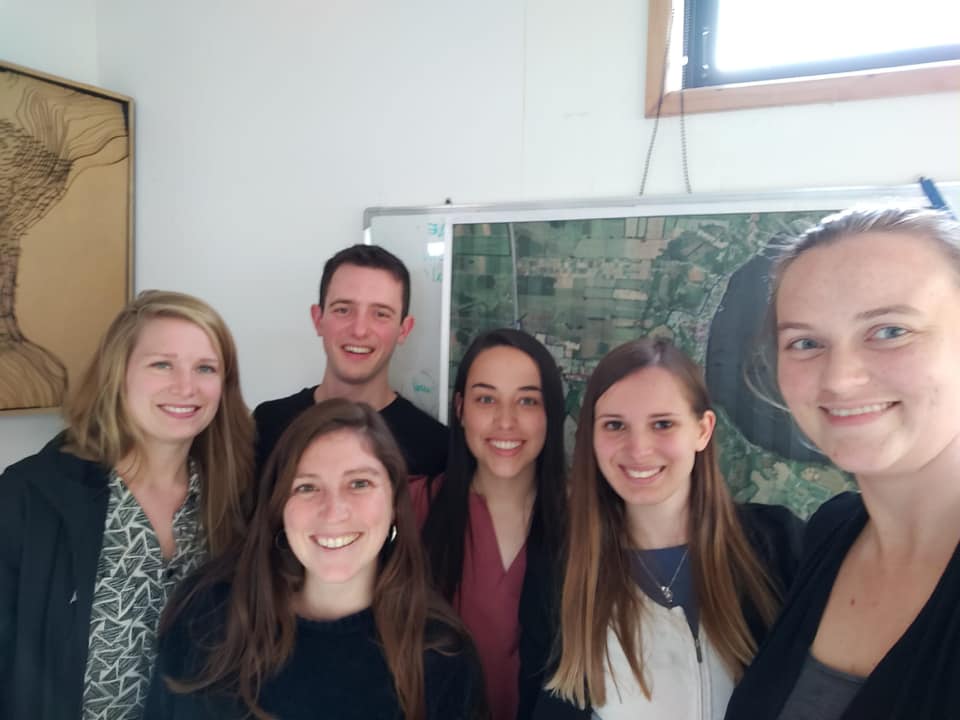
This week, everyone was put into groups of five to work with a local NGO and to innovate a new project in order to address the NGO’s mission in a new way. My group worked with PLADES, whose mission is to create short and long-term infrastructure changes to unite the three regions of Frutillar both geographically and economically.
In order to unify the three regions of Frutillar, my group proposed the idea of a comprehensive paved trail system accompanied by the development of a vacant plot of land between Frutillar Alto and Pantanosa for community use (festivals, urban gardening, concerts, etc) as well as a signage campaign to increase visitor awareness of the “stopability” of the upper region and to increase civic pride in Frutillar Alto’s residents.
Currently, all festivals and events happen in Frutillar Bajo, which not only isolates economic opportunity to the already wealthy area but has also caused complaints from residents and business owners about having to close the main street from cars. Additionally, the personal experience walking up and down the hill from Frutillar Bajo to the library adjacent to Frutillar Alto was harrowing. The speed and volume of traffic accompanied by a single sidewalk without any gap to separate it from the intense traffic does not incentivize foot travel between the two regions.
Proposal map below:
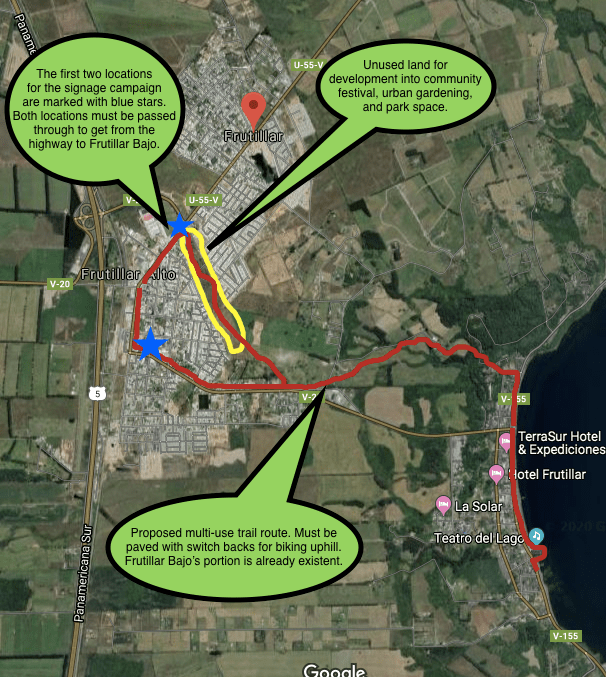
Another important part of this proposal is the opportunity for further economic development including bike rentals in Frutillar Alto, sponsorship of covered rain stops along the path (it rains 80% of the year in Frutillar, as we all discovered), and additional stops for food or tourist items in Frutillar Alto.
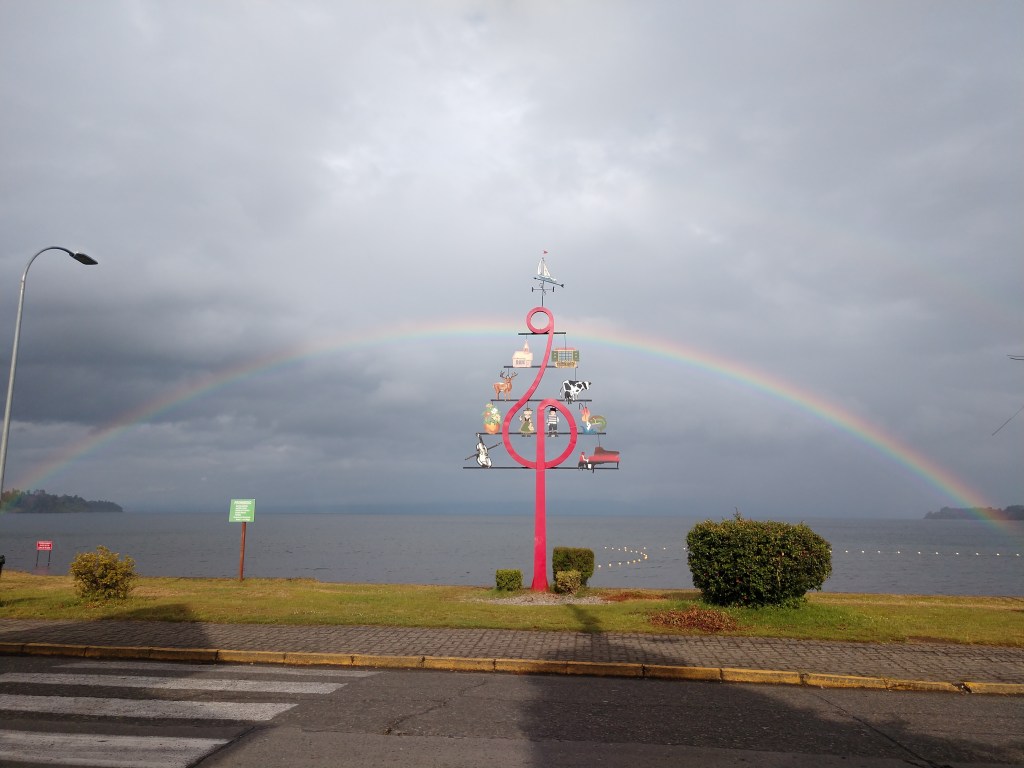
End of the first week goodbyes
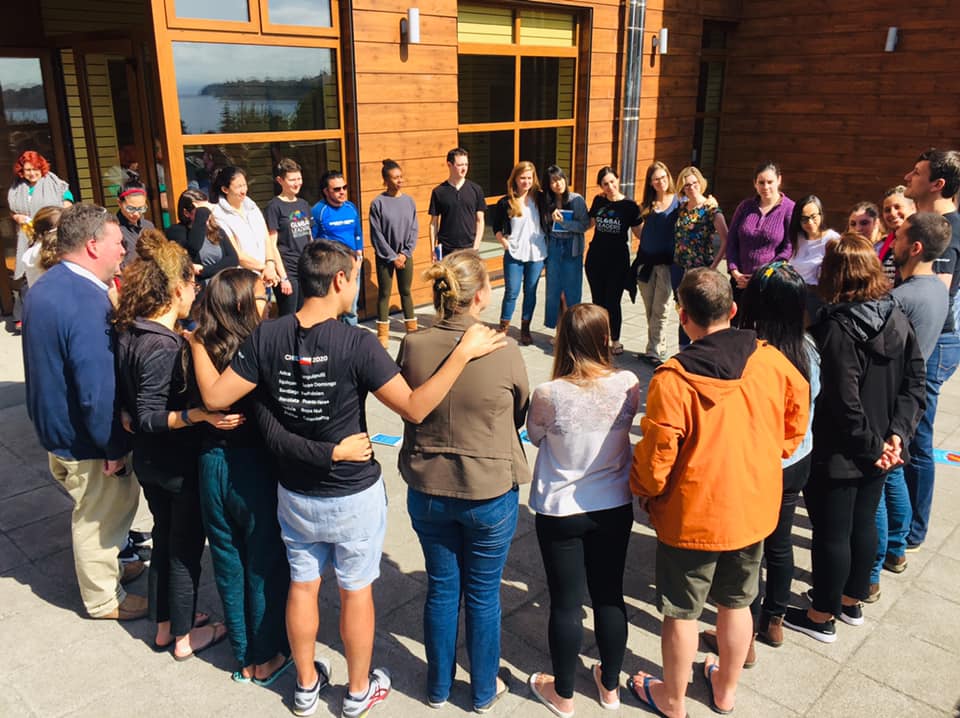
Saying goodbye at the end of the first week before we all split into our separate assignments was tough. The connection felt between cohort members seemed universal. What a wonderful thing to be surrounded by people who care so deeply about people in the world they may never meet.
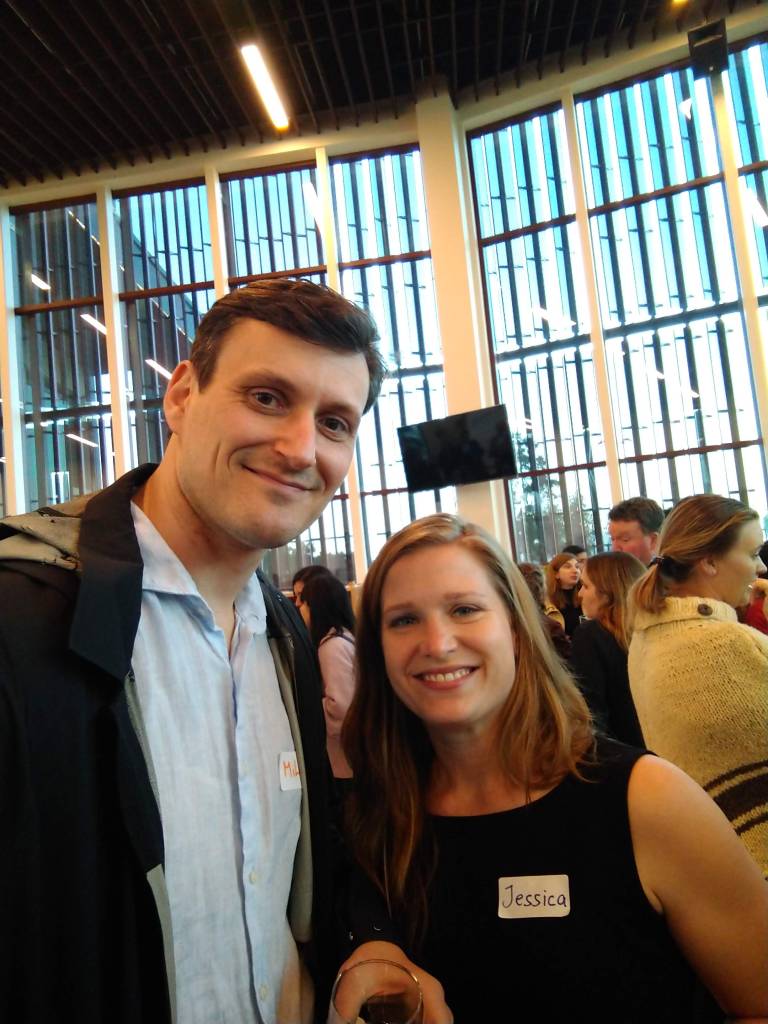
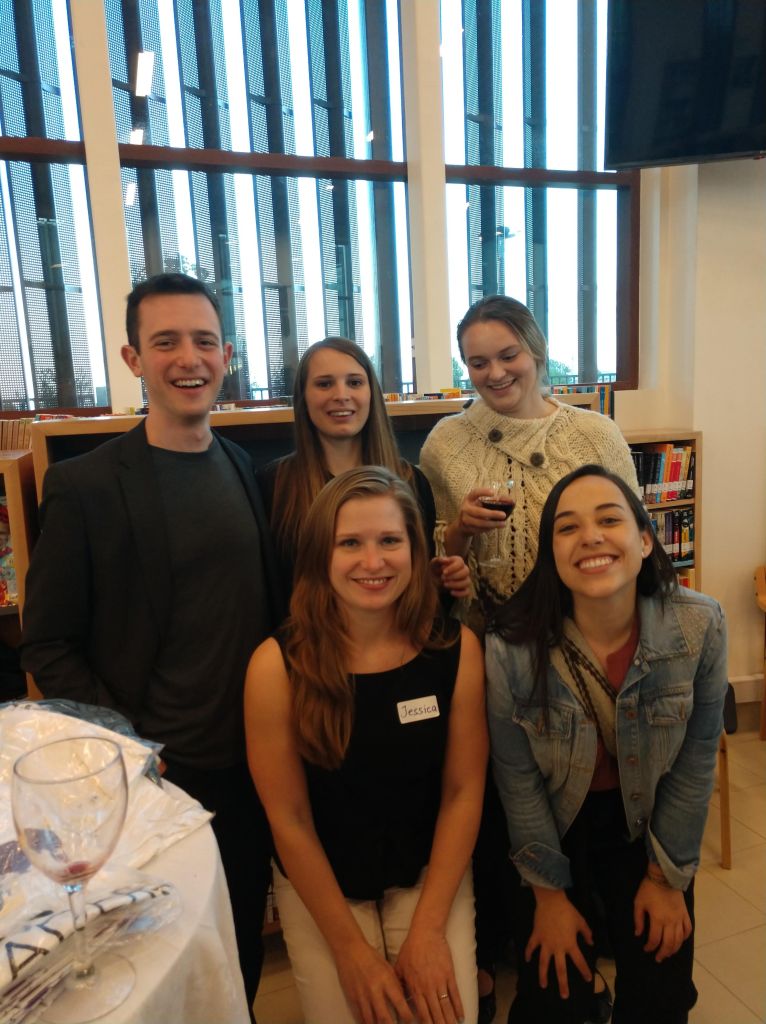
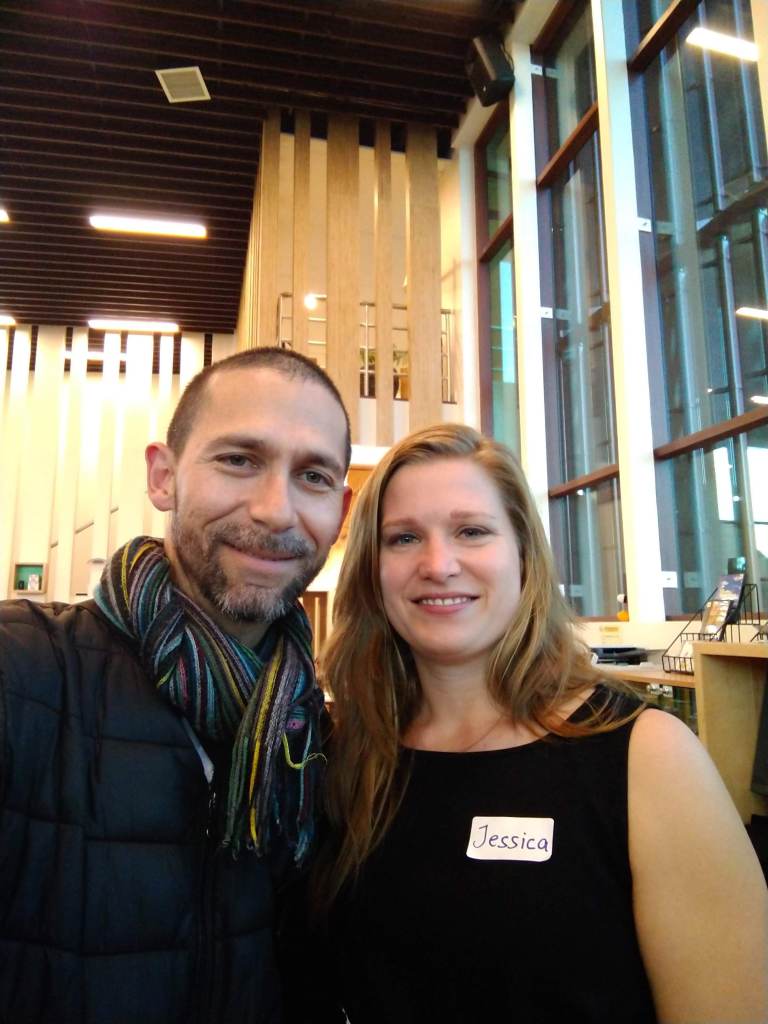
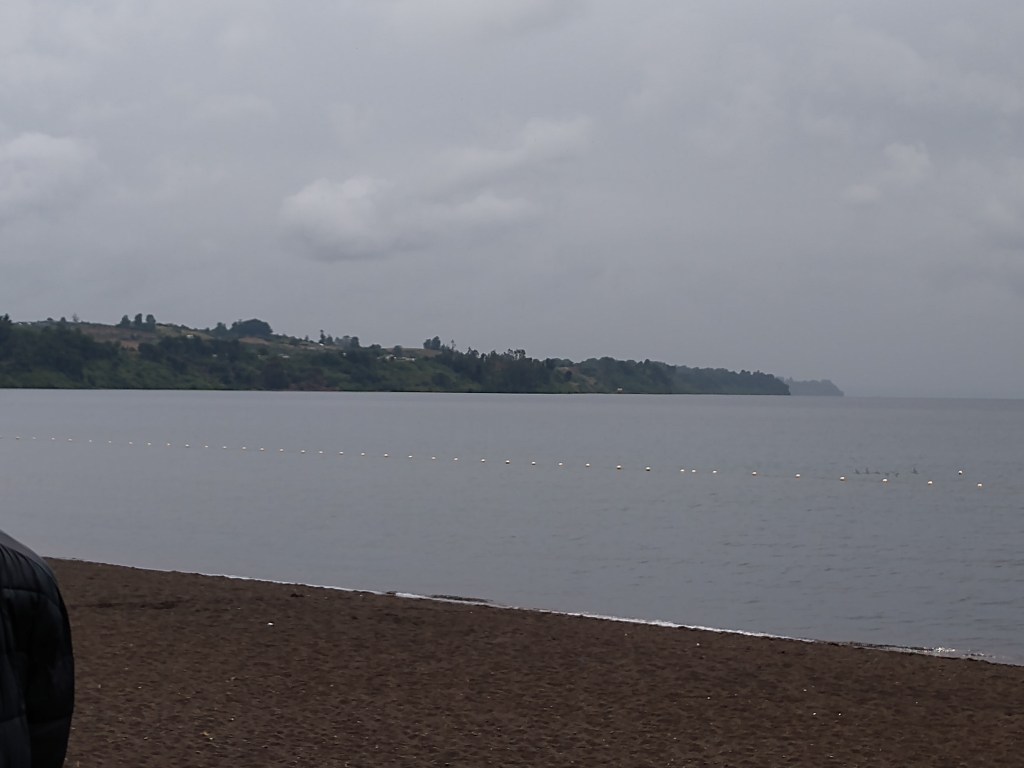
A couple mornings this week I had the pleasure of running to the lake and swimming with Claudio (Chile) and Carlosfelippe (Colombia). I would say it was in the 60s F and was surprisingly easy to get into. I also got to run with Hannah (US) and Carlos (Spain), but alas, no running pictures.
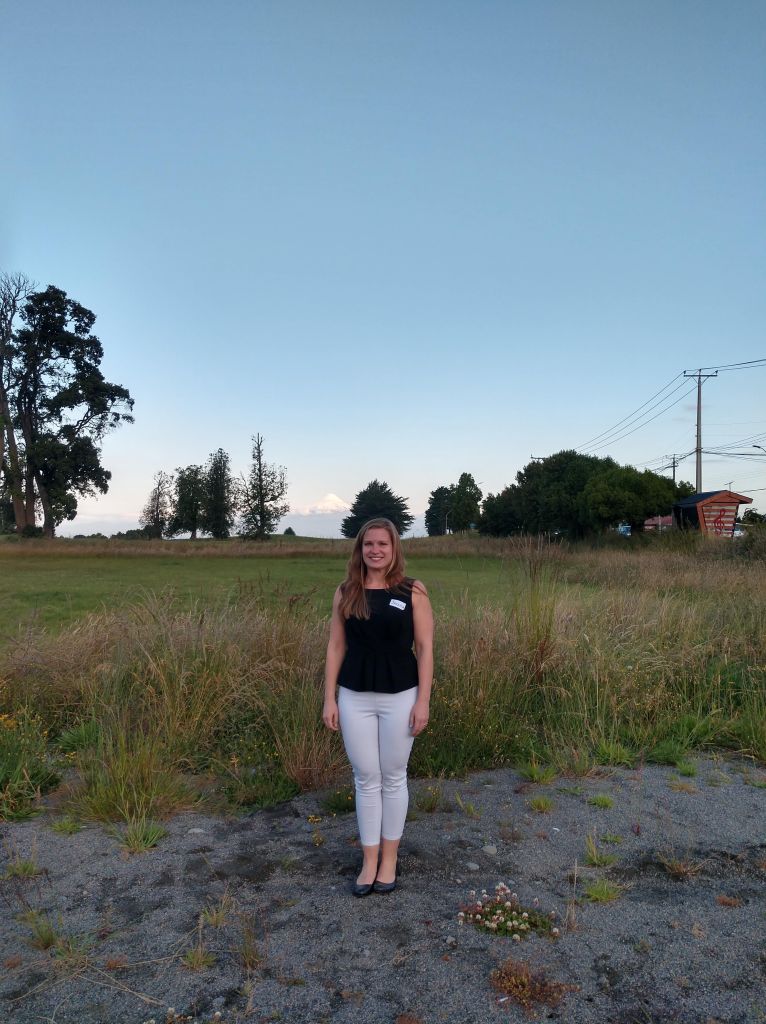
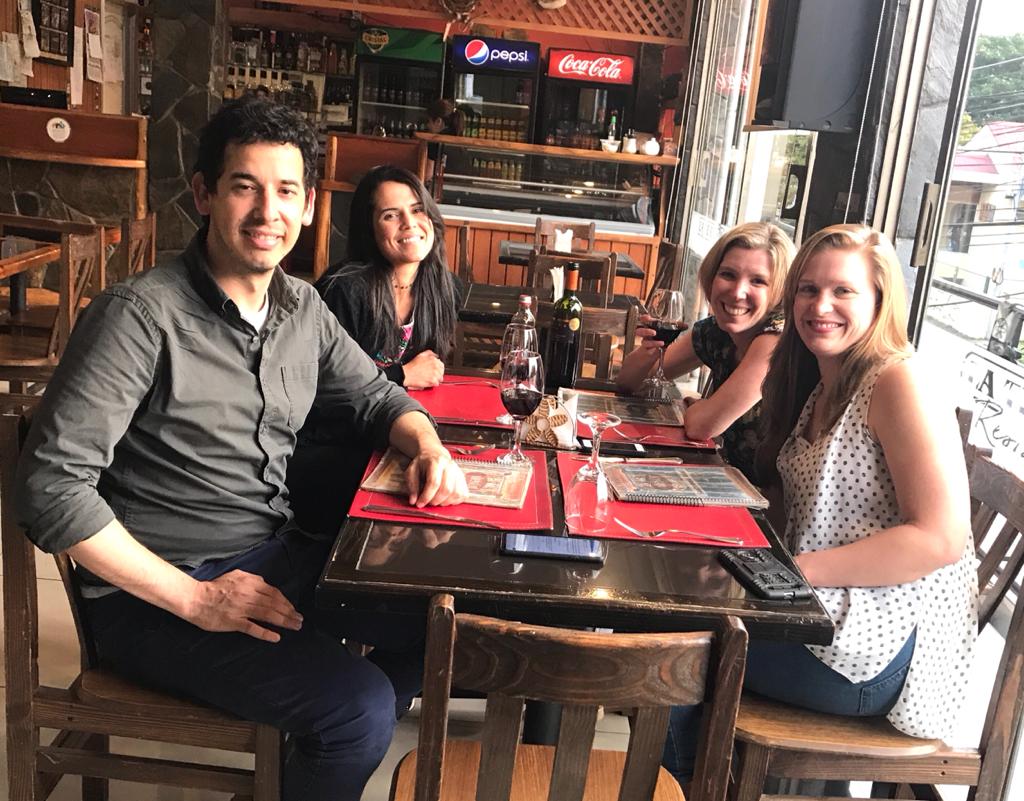
I made some other good friends that I hope to see again. Kevin (navy jumper on the left in the photo below) is a conductor from Australia who provided some great laughs and solid advice during my time in Frutillar. Maybe Matt and I will be lucky enough to end up down under in the next few years enjoying a Vegemite sandwich with Kevin.
The group initiated a circle to reflect on our week together. Filled with heartfelt thanks, promises of accountability, and love, we all parted ways ready to take on the challenges expected in the coming week and through the rest of our journeys trying to make the world a better place for everyone. With a touch of music included, of course.
Bathroom Break
Before moving on after a jam-packed week, I think we all need a bathroom break. You were all wondering if the coriolis effect is real, so I shamelessly took this video for all of you to compare to your toilets at home. Enjoy!
Curanilahue
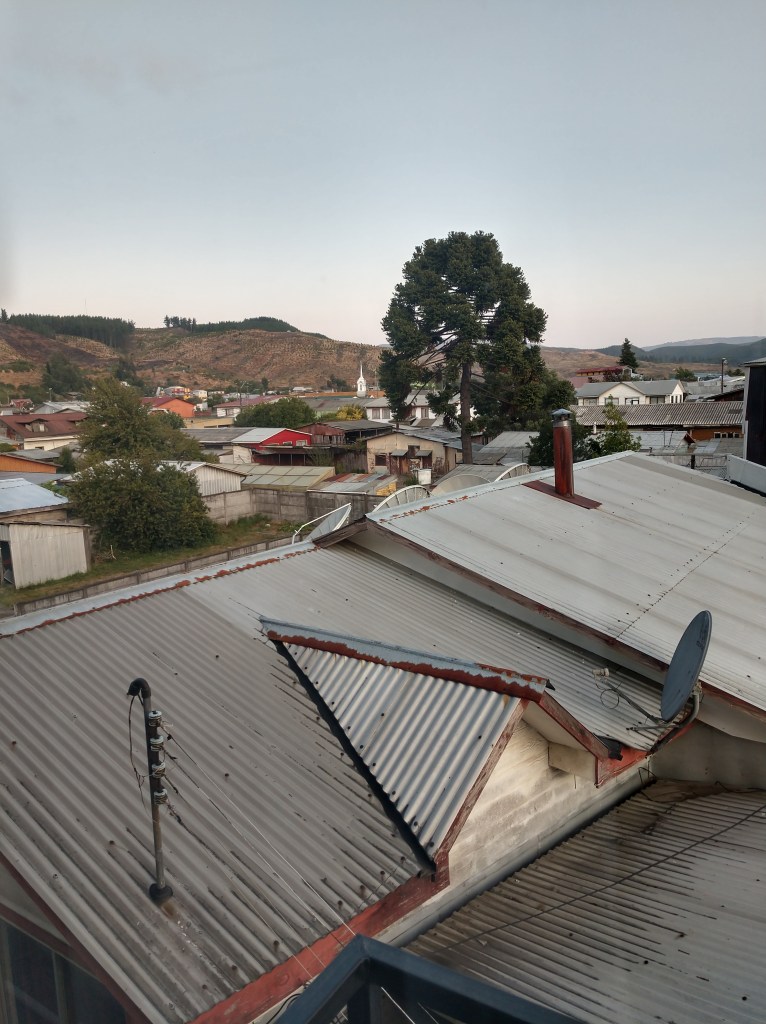
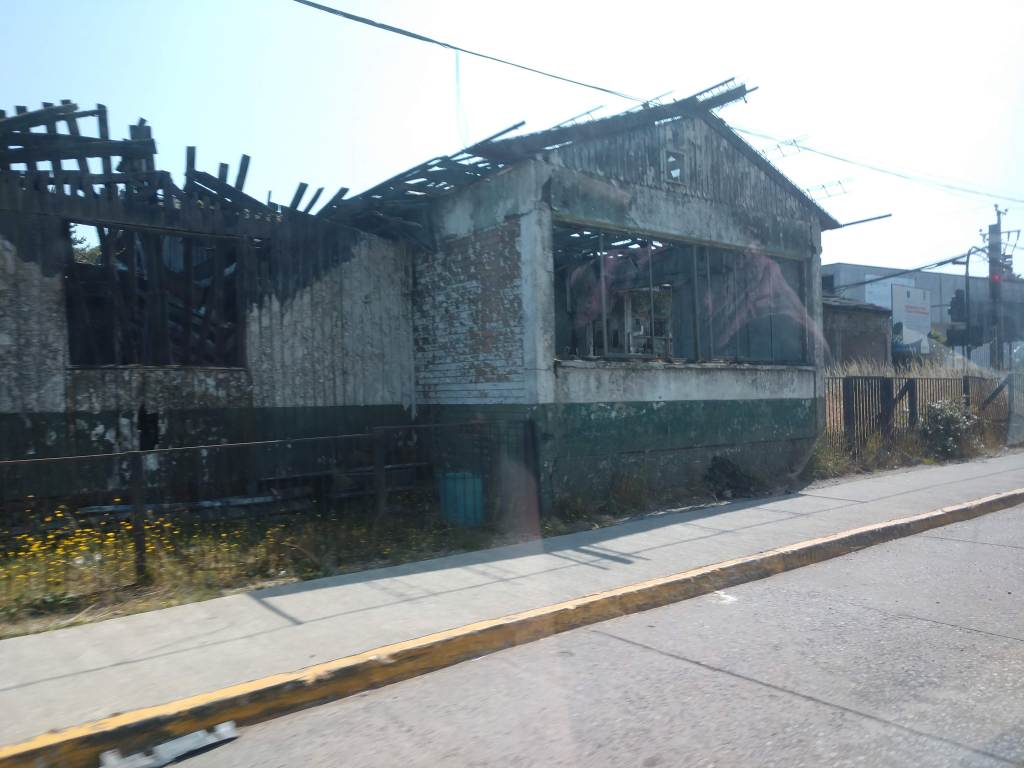
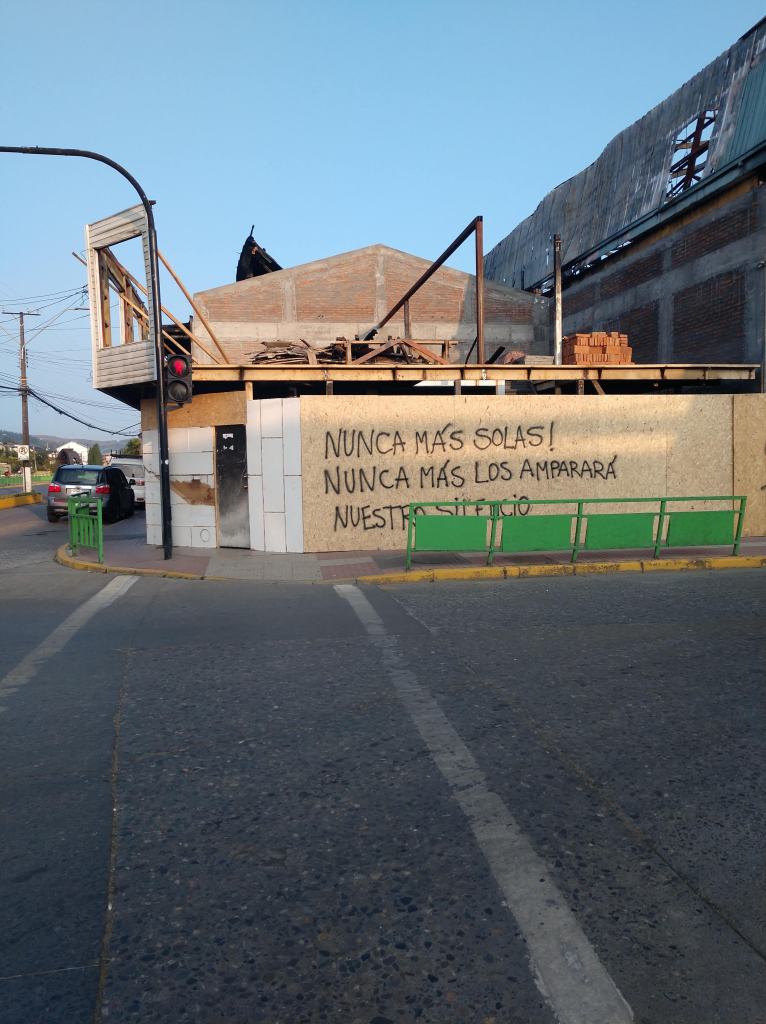
Upon arriving in Curanilahue, it is clear that this place is much different than Frutillar. There is no tourism here whatsoever, and Hazel and I are noticeably the only white people around. Curanilahue was a former mining boom town. Our national park guide/local music director, Juan Carlos, told us that many people in the city work in the logging industry. We later found out that the majority of jobs are in public service (schools, clinics, the museum, etc.) This seems to make it a circle economy without much coming in. On first visit, it seems a depressed place. Here is a very short article about a forest occupation two years ago because families didn’t have access to housing. (Literally…had to live in the forest…)
On our first day, we rode to Nahuelbata National Park.
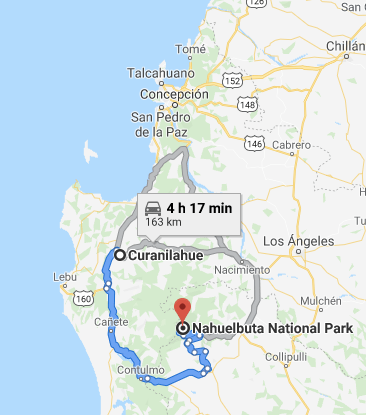
For me, it was a miracle not to have gotten sick in front of (“on” is really the word I’m looking for) anyone in the van. Hours of windy roads is not my strong suit.
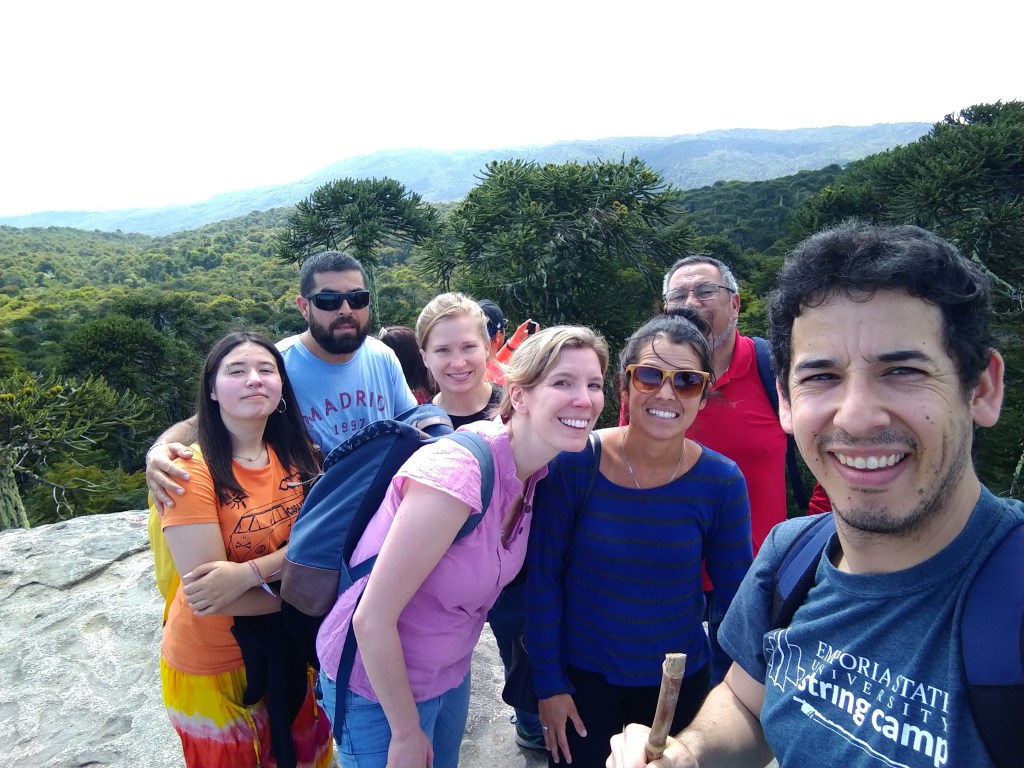
This trip and hike was one of the first experiences our smaller group had as a team. My three teammates for the week included Hazel Ross, Pedro Oviedo, and Caroline Campos. Thankfully our guide, Juan Carlos, knew to keep our hike slow due to the ~10,000 feet of elevation and the 10k total we needed to complete.
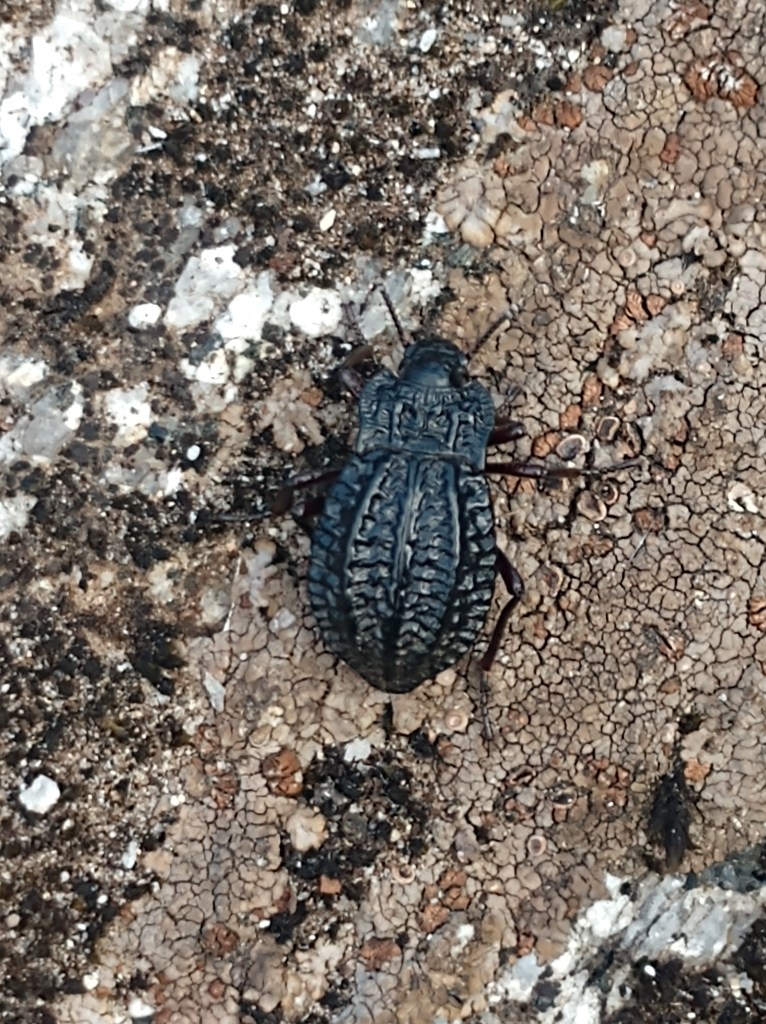
Click here for my r/whatsthisbug post on this beetle.
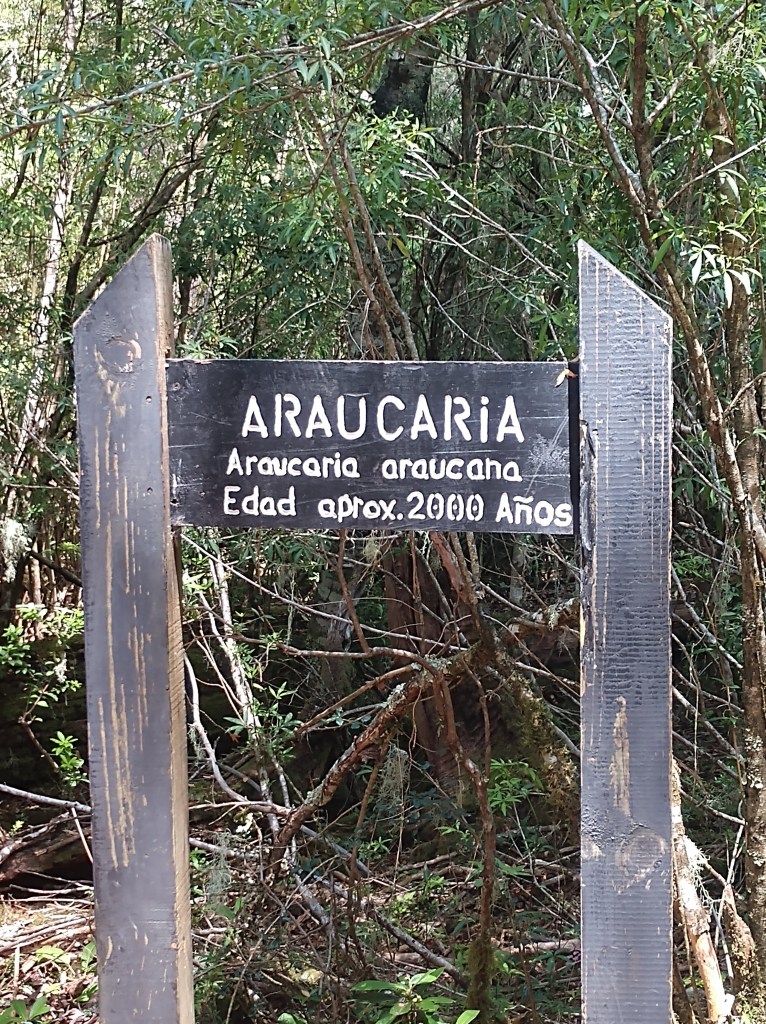
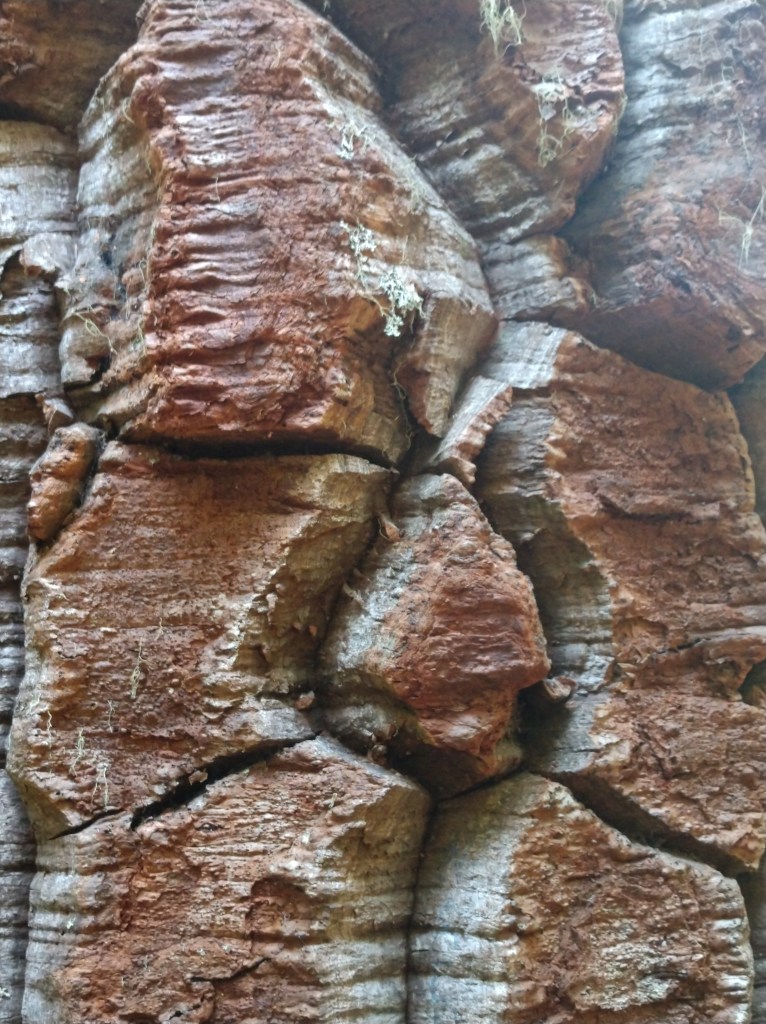
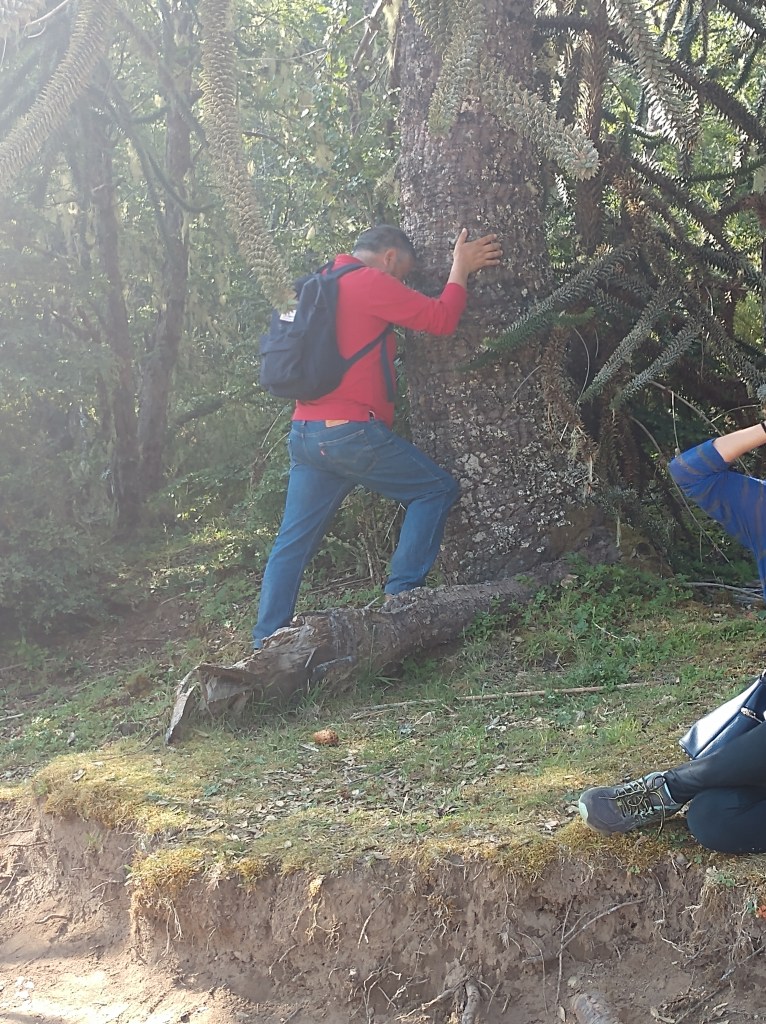
Below is me in the 2,000+ year old “mother” Araucaria tree.
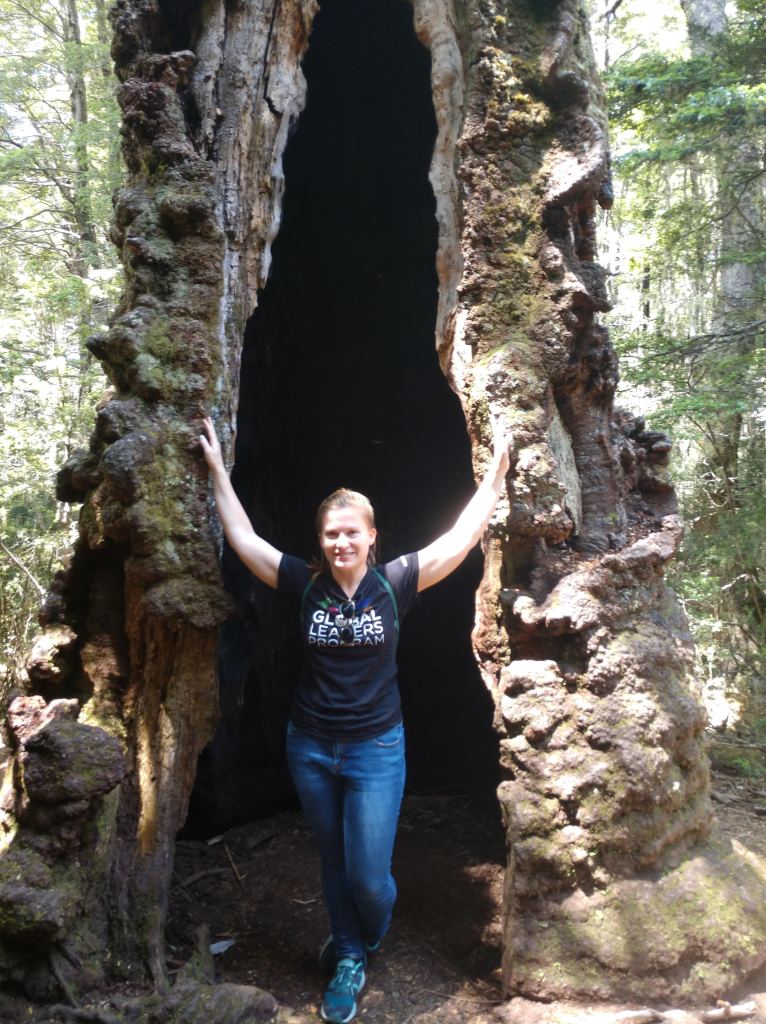
The Araucaria tree is also known as the “monkey puzzle tree.” There were no monkeys in sight. Except us, I guess.
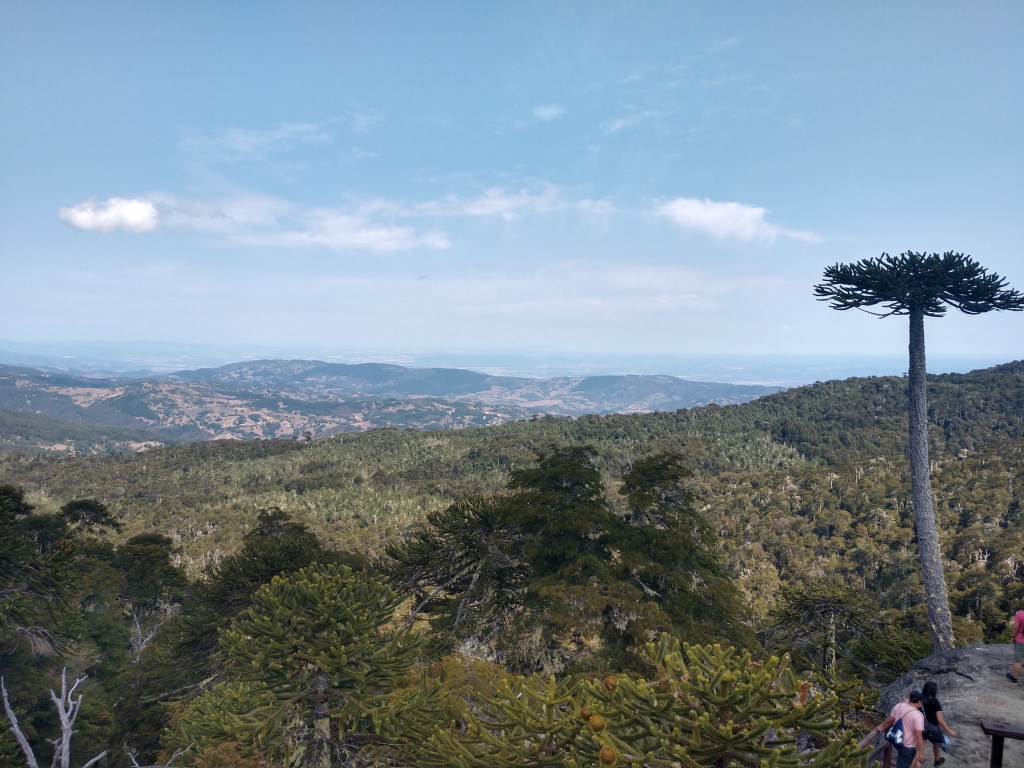
A lone Araucaria tree sticking up. The cones (round balls in the top of the tree at the bottom/center of the photo below) are edible.
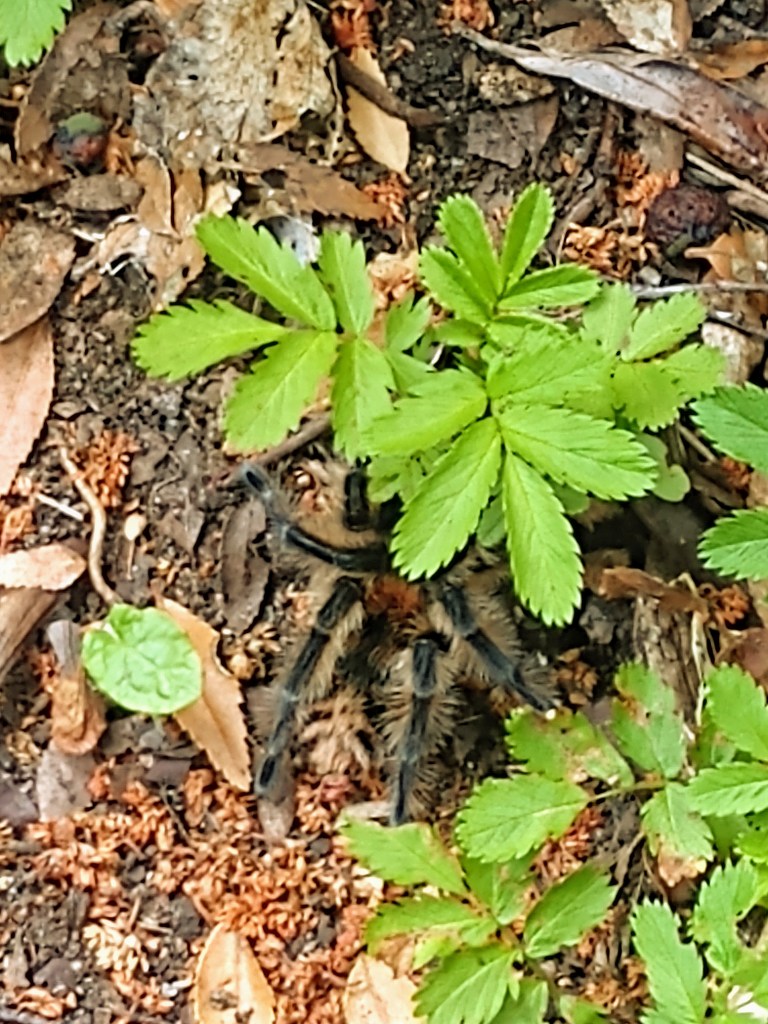
Click here for the r/whatsthisbug post on this tarantula.
We also learned that it is illegal to log native Chilean species of trees. However, there are laws in place that allow pine to be replanted in areas where native species die. Therefore, there are a number of forest fires that “just happen” destroying many of the endangered native species so that pine can be replanted for logging profit. The US does not have its hands clean of this either, as much of the wood is logged by US companies and exported around the world. I would guess that the Chilean loggers themselves see very little of the money made.
Thank you, Juan Carlos, for sharing a little bit more of our earth with us and respecting it as the home everyone deserves.
Now It’s Business Time

Now back to work! Our team spent countless hours in the Hotel Plaza (the single option for a motel in Curanilahue) generating ideas, prepping plans, and enjoying each other’s company.
This is also where I learned the basic Spanish phrase “Puedo tener (insert want), por favor?” (“Can I have…, please?”)
Our assigned tasks with the Curanilahue Orquesta were vague, and as we grew to understand the group better by observing and listening, it was clear that the students are extremely enthusiastic and any musical instruction we were willing to give them would be appreciated.
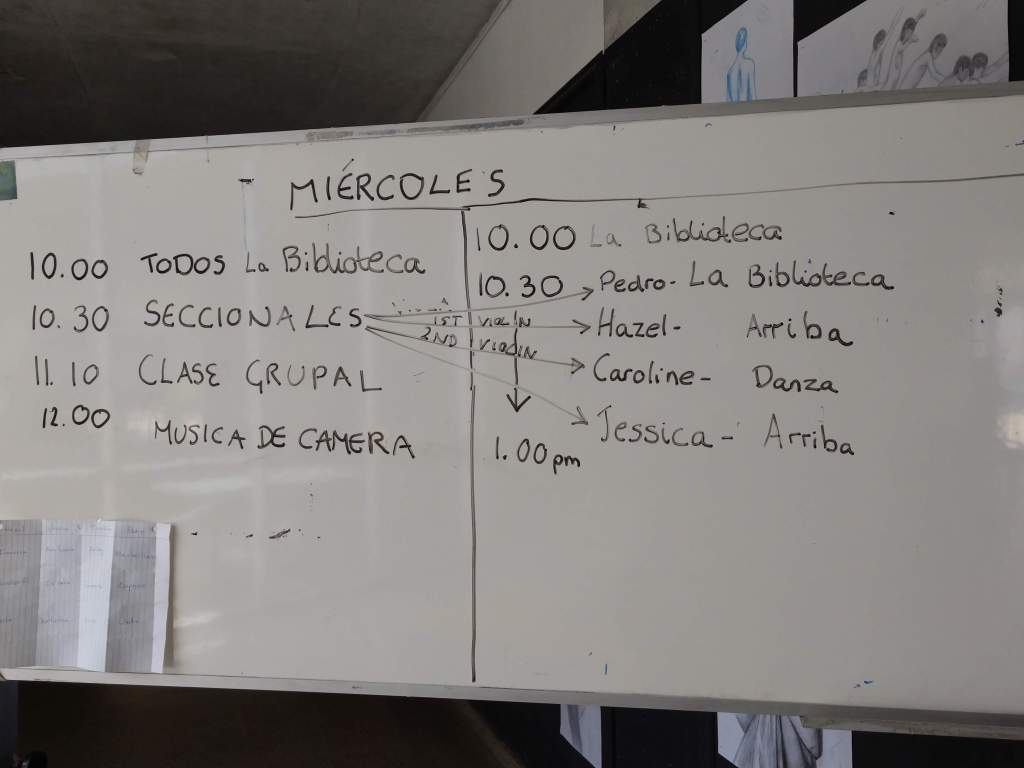
We decided to open up lesson, chamber music, and master class sessions in the morning, more lessons after lunch, and then a new “Curanilahuitos” group of younger students in the afternoons followed by two hours of orchestra rehearsal with the older students. Below is an example of one of our daily posted schedules:
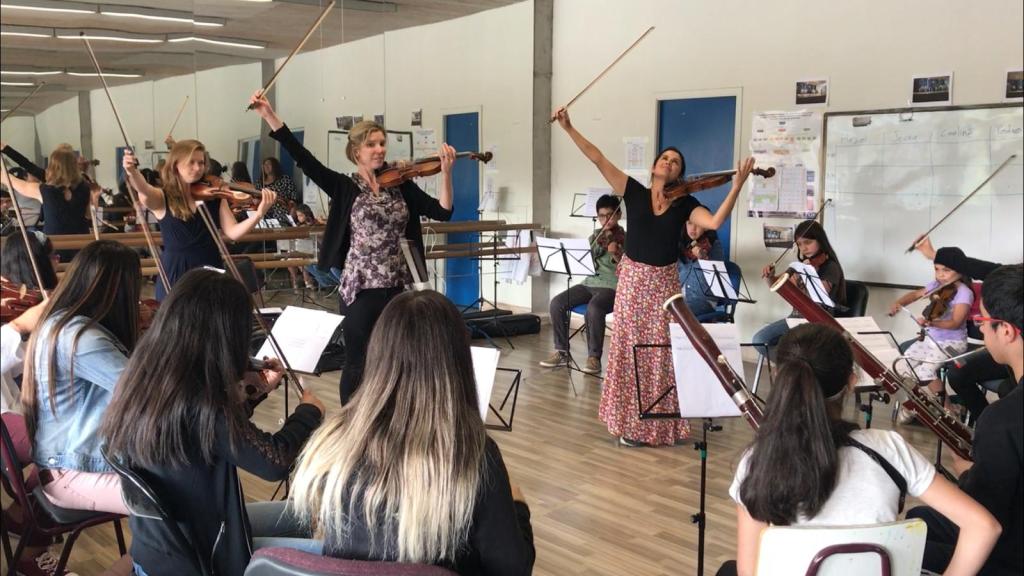
Below are photos of our work during the week:
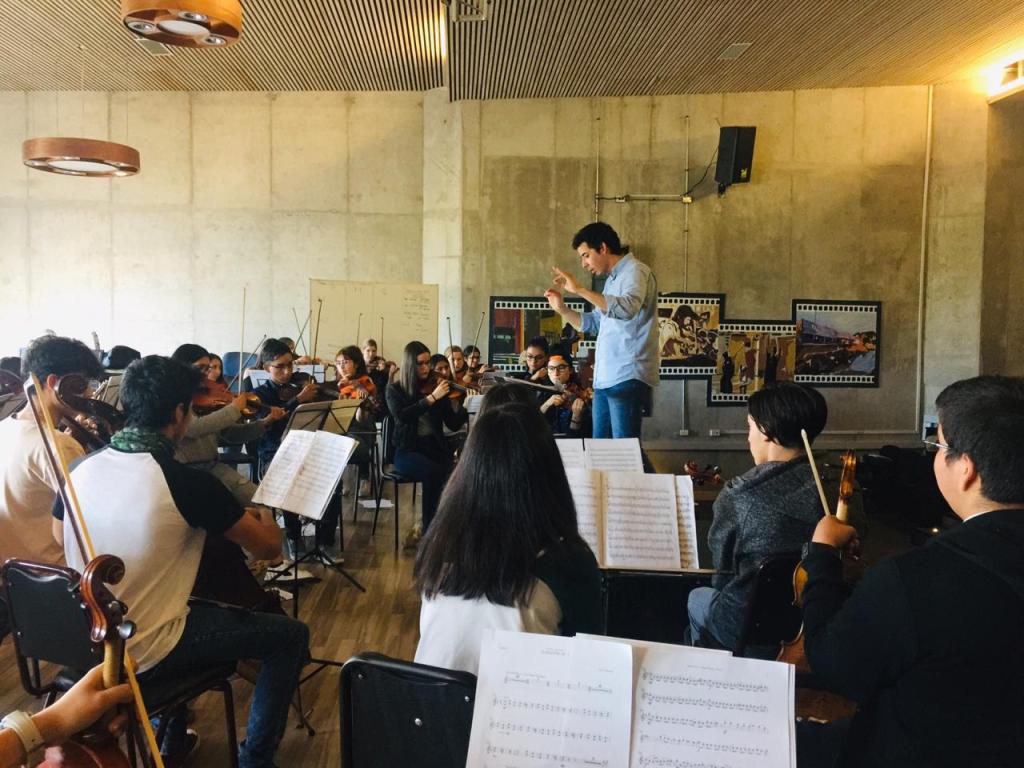
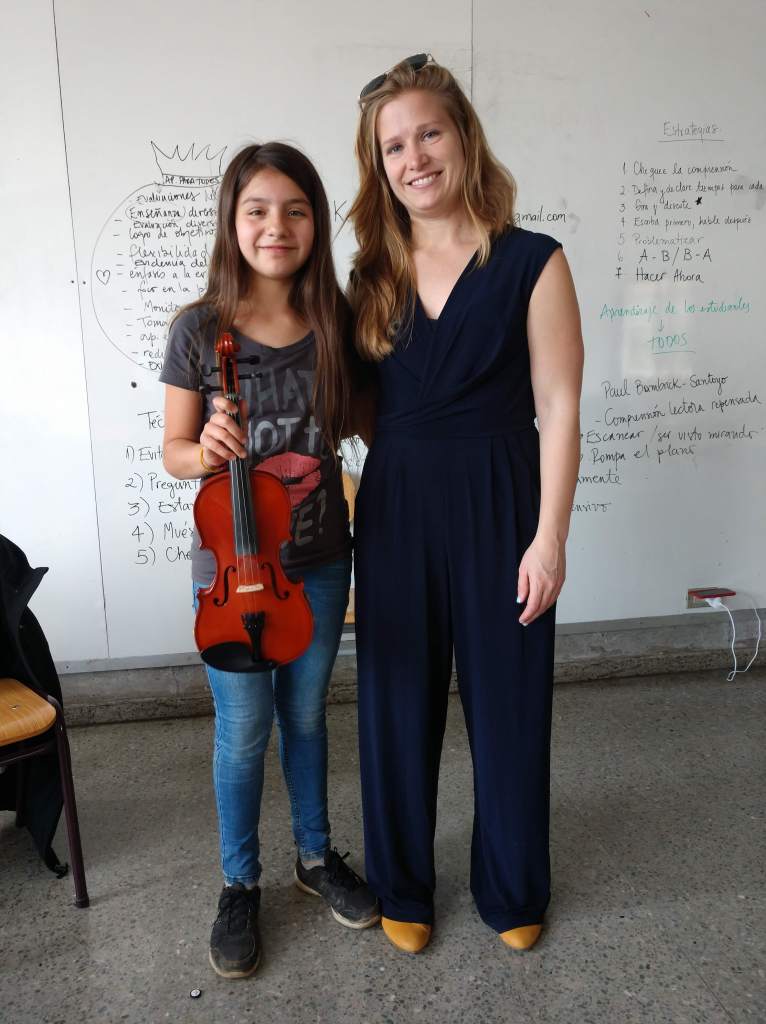
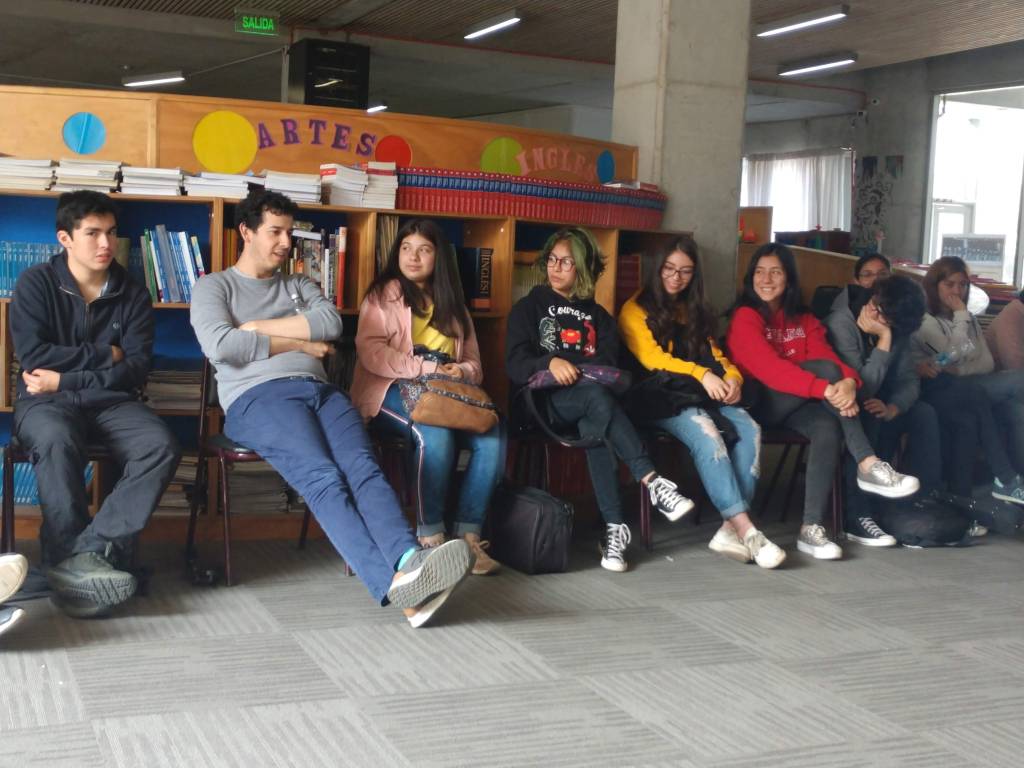
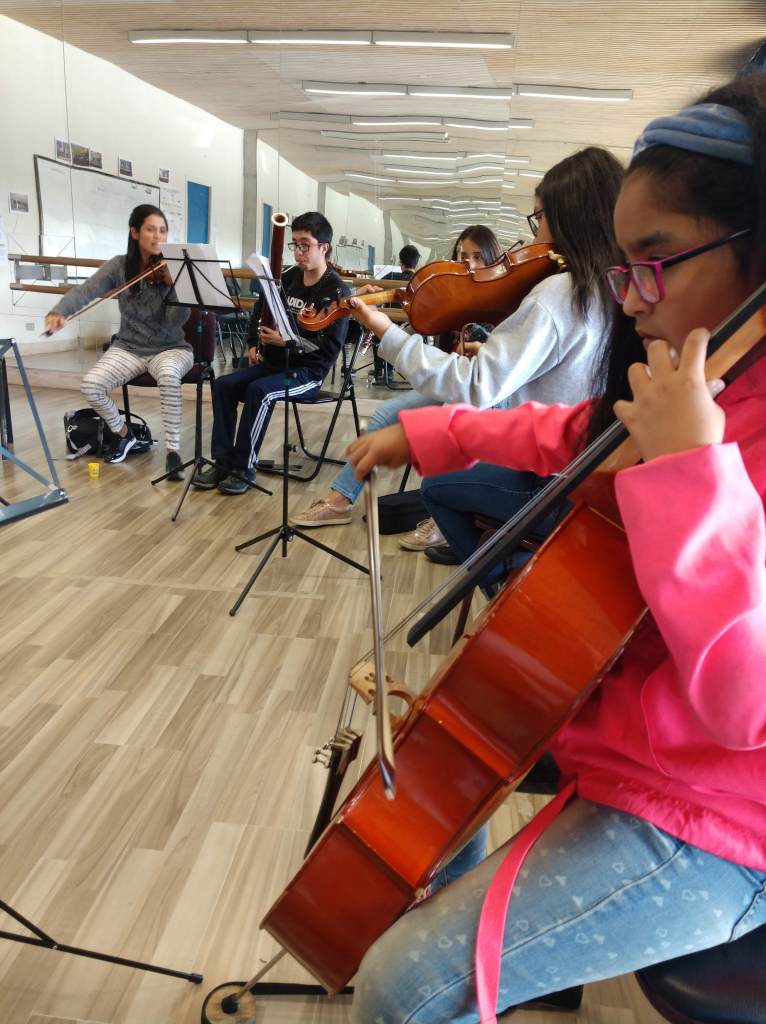
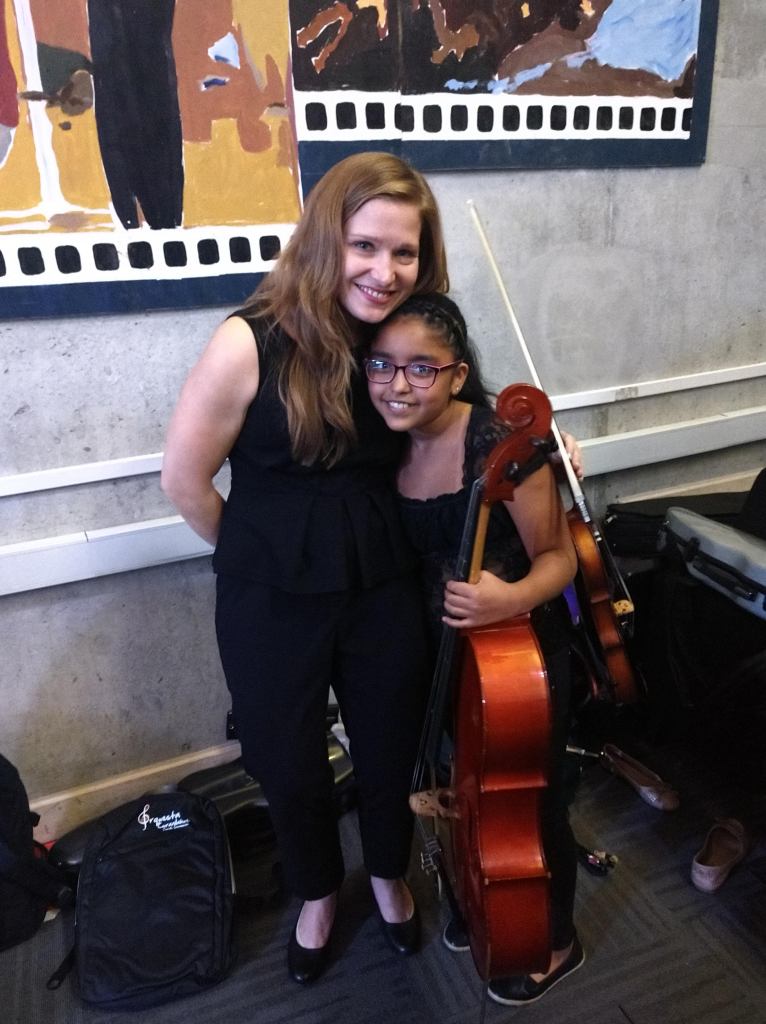
One thing I didn’t expect to do this week was teach lower strings. Given that we were all upper string players, my one-day of experience reading bass and alto clefs made me the resident expert. All went fine, and I was a pleased to teach the Curanilahuitos star cellist, Isodora, every day.
Isodora managed to keep 100% faith through the entire week that I was a fluent Spanish speaker. [I am not.] She would quickly spurt out paragraphs of explanations or questions and then look to me eagerly for responses that never came. I guess I was also doing the same thing to her in English, but music is fortunately conducive to demonstrative teaching than most other things. For some reason, she kept coming to lessons with me the entire week. Pedro told me that Isodora’s mother told her that she didn’t want to come on the first day, but after the first day she practiced until midnight and then came early to her lesson with me every day.
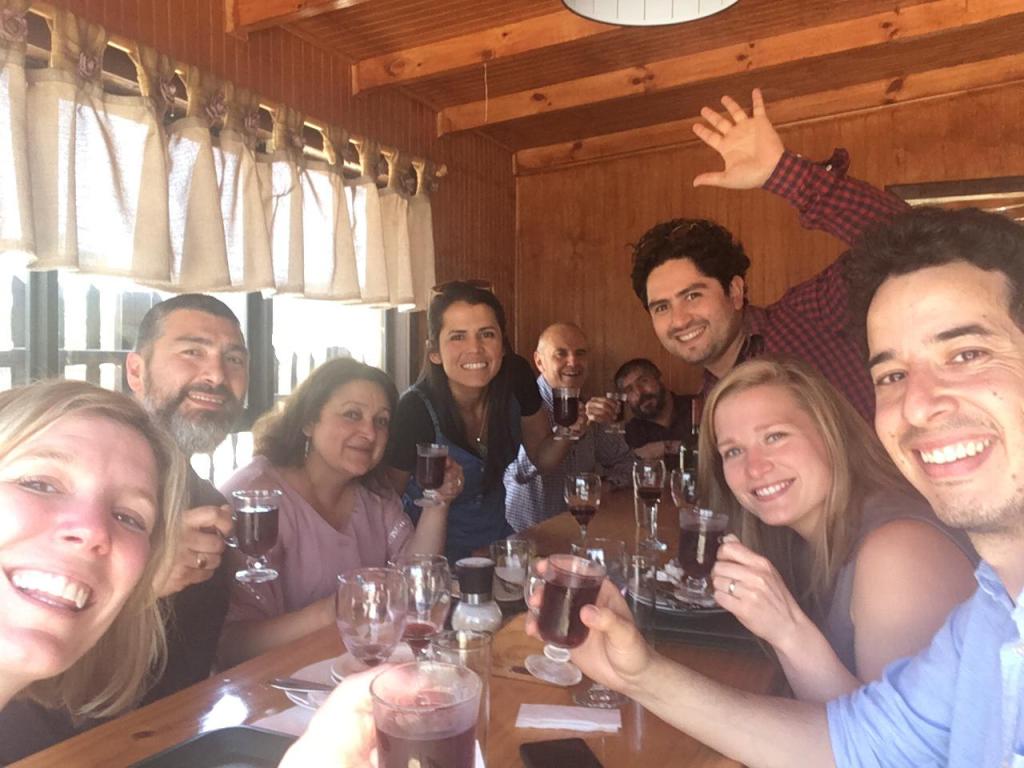
The week together culminated with a 2-hour meeting with teachers where we asked them to tell us what their dreams for the program are, which we are hoping to develop into a program plan for the orchestra moving forward. It involves increased educational opportunities for students beyond high school as well as strategies to increase Curanilahue’s notoriety and reputation for being a music-center in Chile. After this, we enjoyed a spirited lunch with all the teachers before preparing for the final concert of the week.
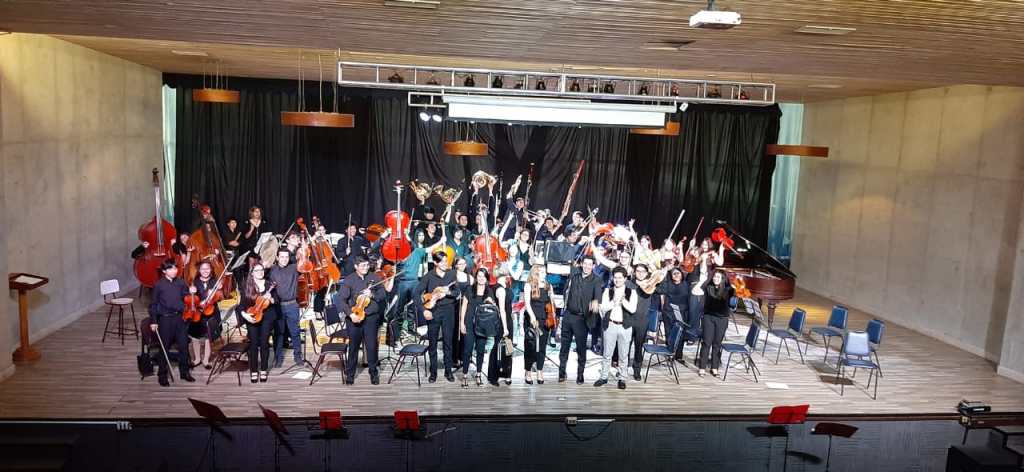
The final concert included performances by the Curanilahuitos, chamber groups that had been coached throughout the week, and the Curanilahue Orquesta. The mayor, head of the supporting Arauco Foundation (Isidora Recart), head of the municipality, and Curanilahue Television were all present.
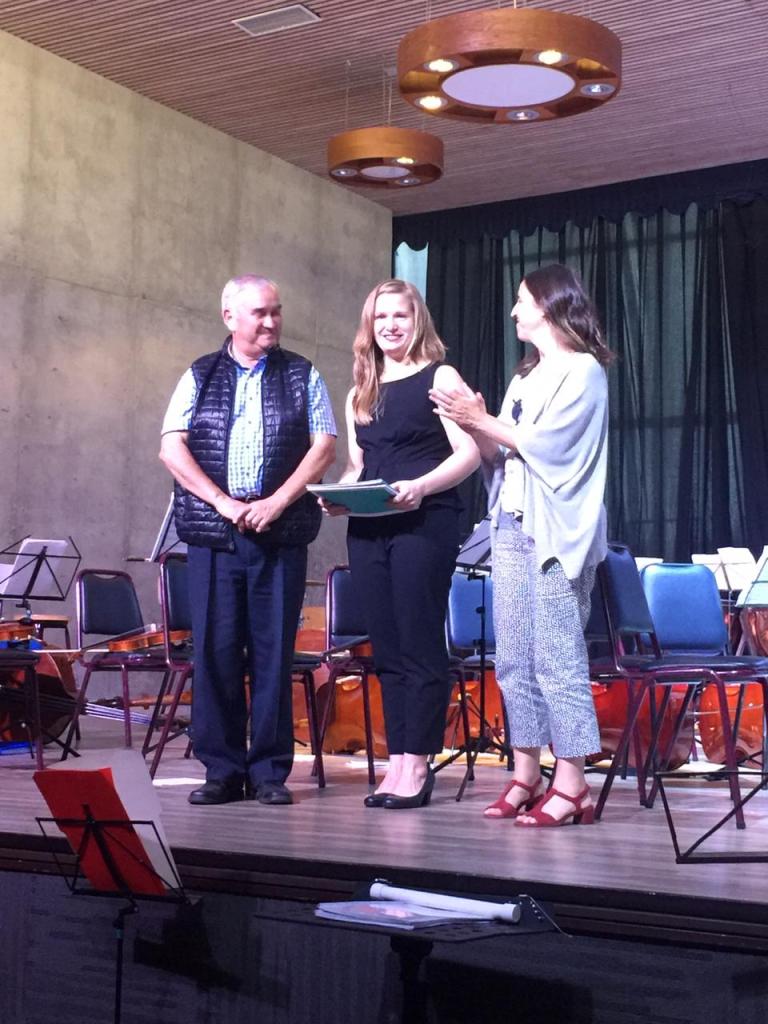
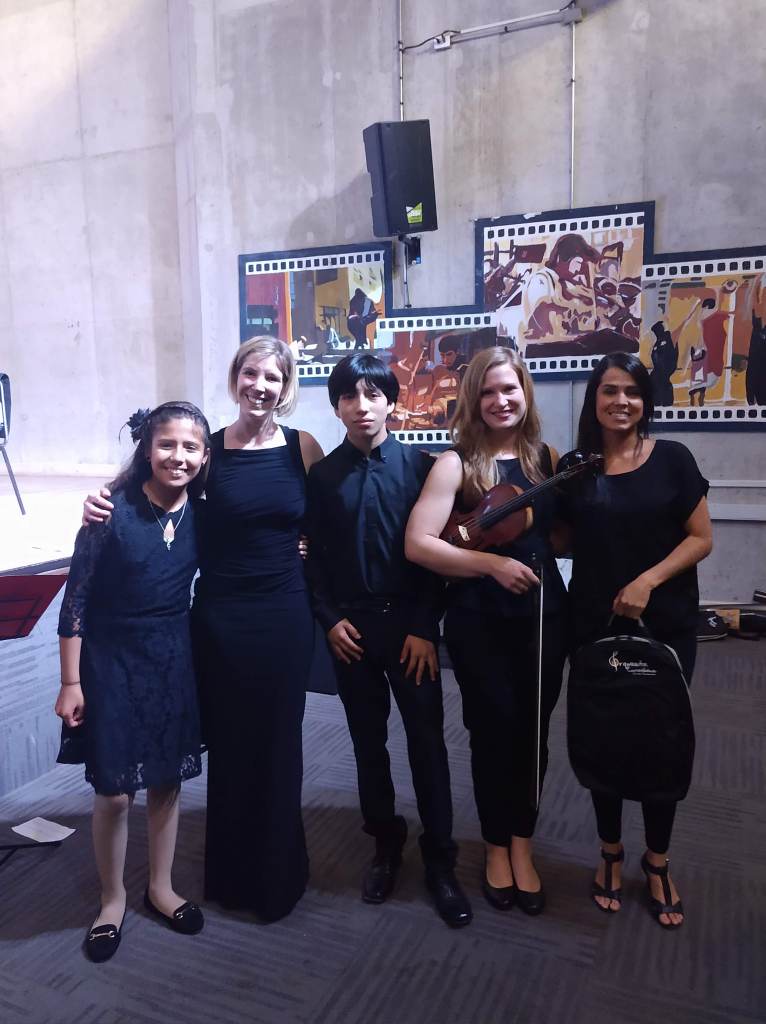
The concert even made it onto Curanilahue Television!
….and now a side note…

I should have read this article before I left. I have never been kissed so many times in my life. I’ve also never rudely denied people so many kisses in my life either. The most regrettable was a girl who came up to me in the “Curanilahuitos” class, and since I had no idea what she was doing, I outright denied her by turning the other way since I wasn’t quite clear on why she was charging at me with full eye contact. Pedro whispered that she was just trying to kiss me hello, and then it clicked. I was going to have to try my best to trade in my northern European strict personal space standards with the exact opposite. After weeks of awkwardly patting people on the back, kissing their cheeks instead of the air like I was supposed to, or outright dodging the greeting, I finally got it right when saying goodbye to all of the friends I made in Curanilahue.
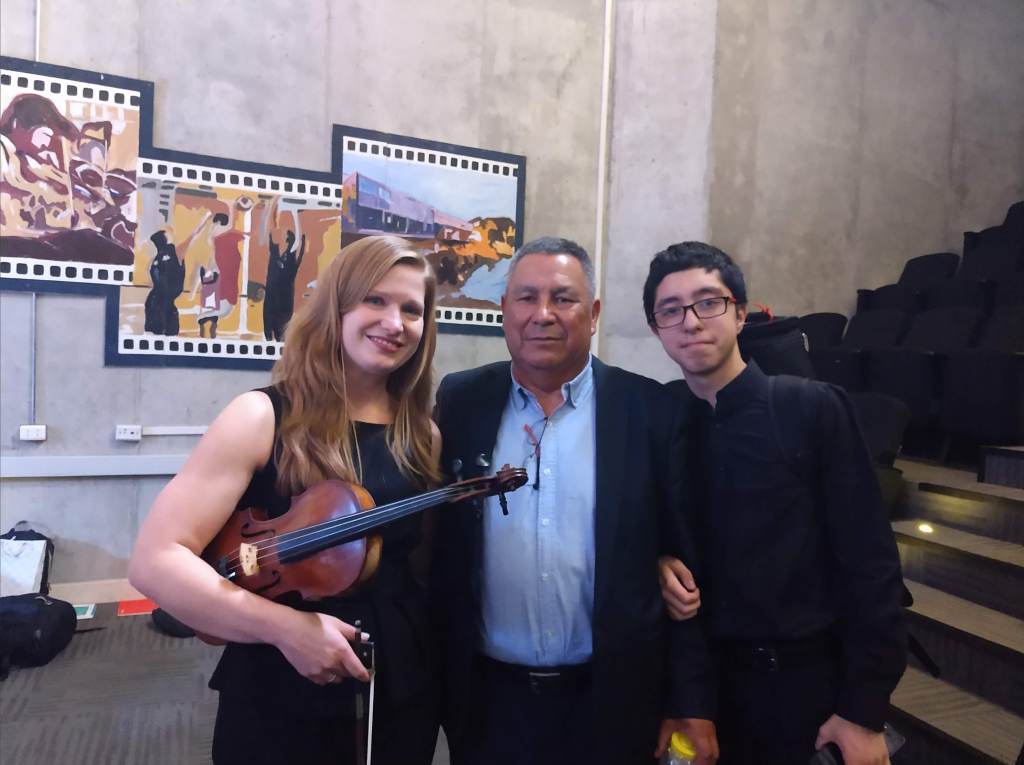
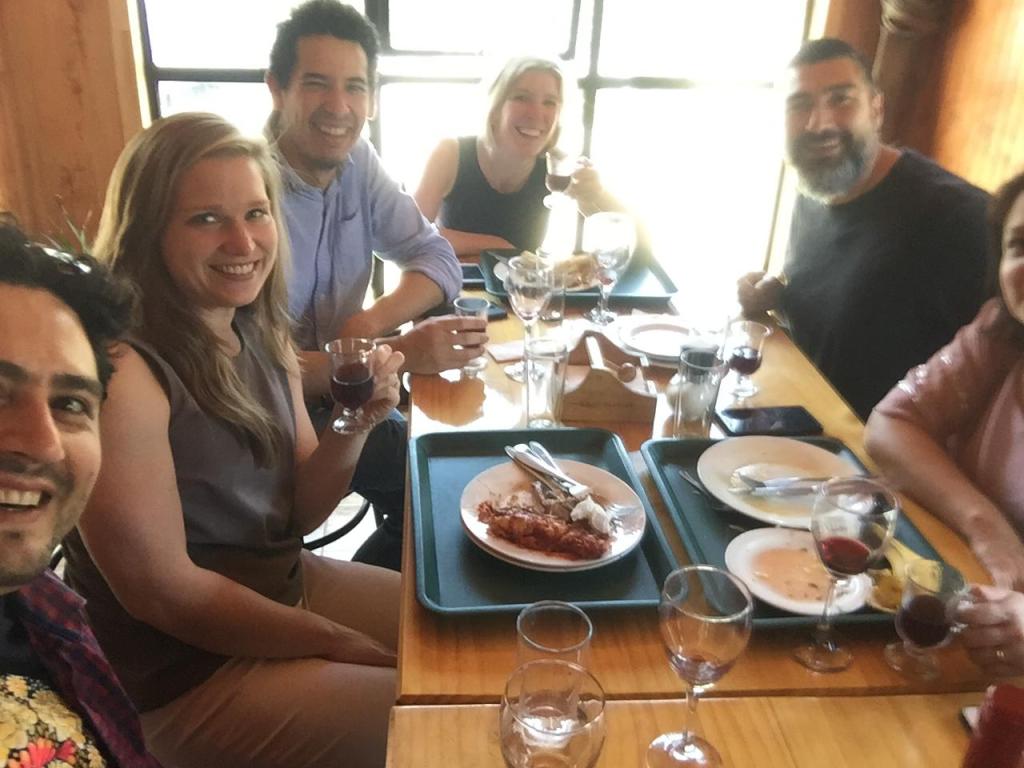
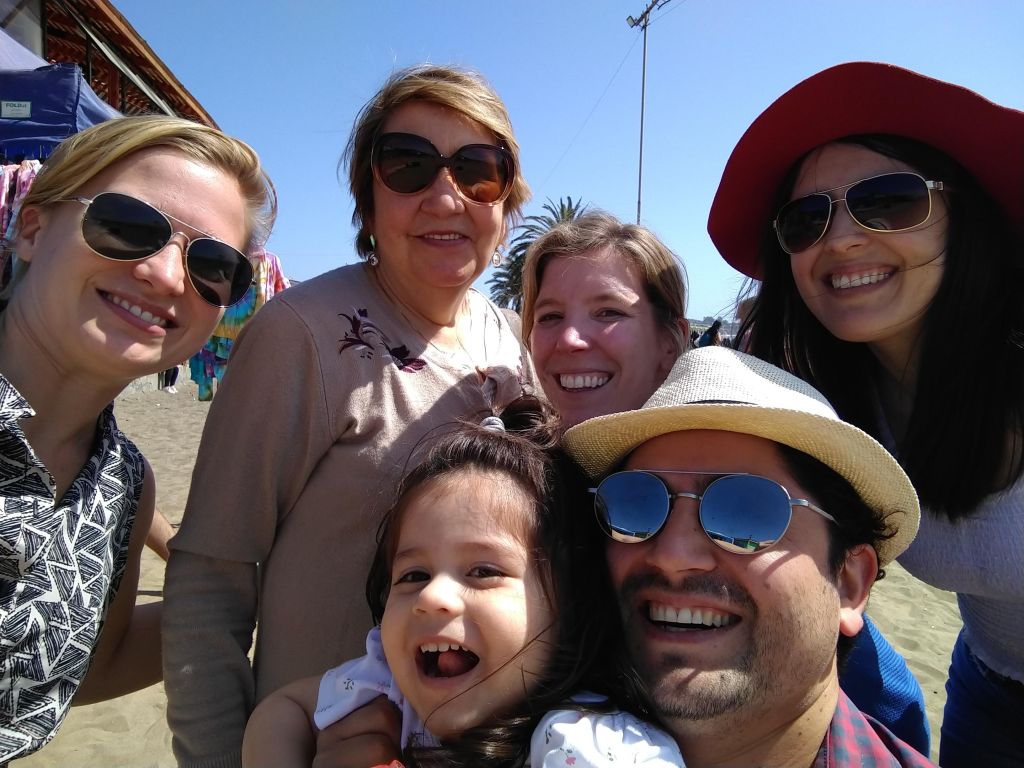
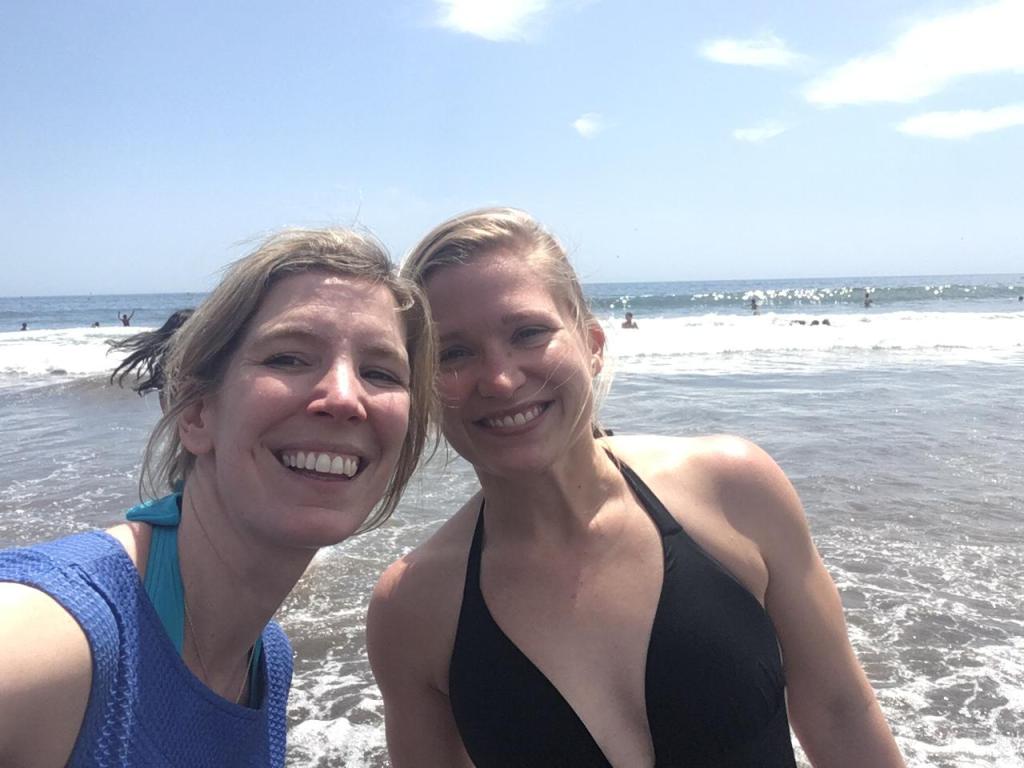
After a couple very busy weeks, Hazel and I stayed a couple of nights in Concepcion and visited the beach before flying back to Santiago and back home. As I left Chile, I reflected on how no matter where in the world we are from or live, everyone seems to want the same thing. The right to equal opportunity. That’s very different than being handed cash in a welfare state. I don’t think that many people actually want that. I am proud of the Chilean people for standing up after personally seeing multiple regions full of abject poverty. The kind of poverty where there is no way out, truly. Nothing for miles and no money coming in. Read up about the Chilean Revolution happening right now, and hope that the spring vote for a new constitution goes through and the rights of the many are recognized.
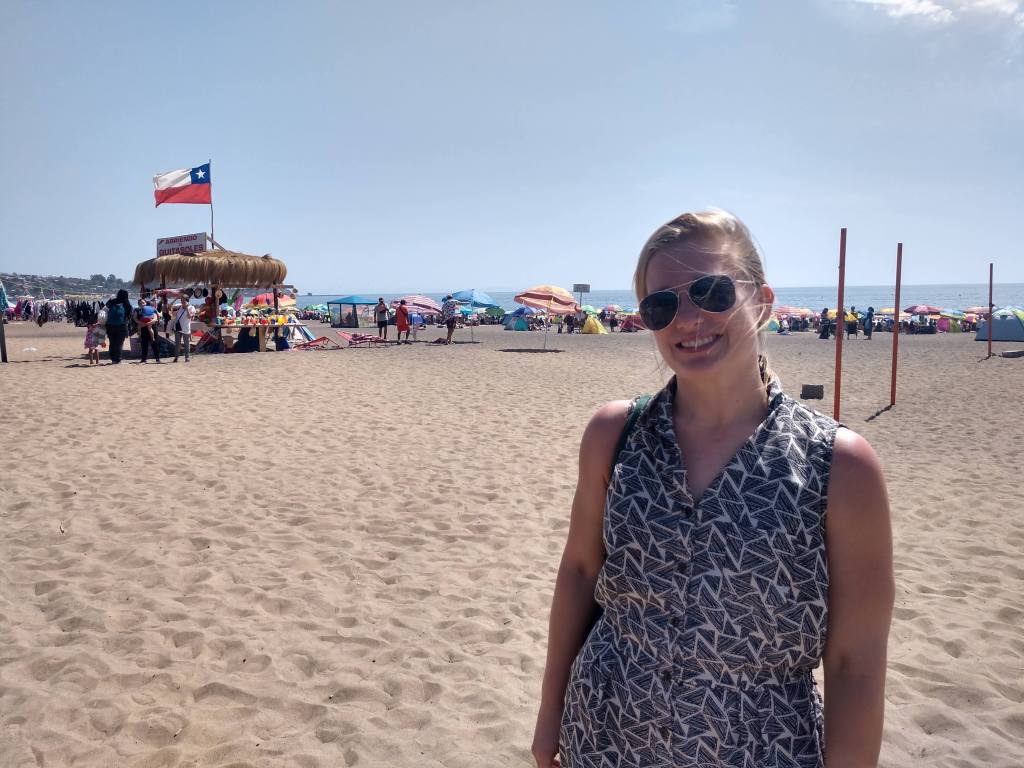
Until next time, adios Chile.
 What's Jessie Doing?